
Building a healthy meal plan for the family that fits into everything else is not simple right away. It takes practice and after a while planning does not seem so bad.
Mealtimes end up chaotic a lot of the time when there are different tastes to consider and after school activities too. The idea is to avoid takeout but that is easier said than done sometimes. It feels like once you get used to it cooking becomes more manageable. Different schedules make it hard though.
Table of Contents
- Why Meal Planning Matters for Busy Moms
- Simple Way to Balance Family Meals
- Making a Realistic Family Meal Plan
- Smart Grocery Shopping and Ingredient Swaps
- Dealing with Picky Eaters Without Losing Your Mind
- Saving Money and Reducing Food Waste
- Easy 7-Day Family Meal Plan Example
- Helpful Tips to Keep You on Track
- FAQs
- Save This Page
- My Favorite Amazon Tools & Cookbooks
Why Meal Planning Matters for Busy Moms
Trying to wing dinners every night gets old fast. I used to scramble around 6 PM, hoping inspiration would magically strike, but that usually meant extra stress and less healthy choices. Family meal planning takes away so much of the daily pressure. You get to be in control, even if schedules change or someone throws a curveball request your way.
Meal planning also makes it easier to include a variety of nutritious foods. It helps you actually use what’s already in the fridge and gives a bit more room for family fun evenings instead of, yet another last-minute grocery run. You get the chance to track down new recipes, make the most of seasonal ingredients, and set up stress free family time at the table. If you want to dig into more of the benefits of family meal prep, check out my full guide on smart family meal prep strategies over at NicaFitness.
Simple Way to Balance Family Meals
I keep my family’s meals balanced by following a mix and match approach. Here’s a super simple way to build a plate nutritionists would approve of, without overthinking every single meal:
- Protein, like chicken, turkey, beans, eggs, fish, tofu, or lean beef
- Veggies, either raw, roasted, sauteed, or blended into soups and sauces
- Carbs, like whole grain rice, pasta, sweet potatoes, quinoa, or corn tortillas
- Healthy fats, such as olive oil, avocado, nuts, or seeds
- Fruit (optional), sliced as a side, blended in smoothies, or served for dessert
This straightforward combo lets you mix up meals and avoid dinnertime ruts. Want more inspiration on balancing nutrition for the whole family? My article 15 Healthy After-School Snacks For Hungry Kids is worth checking out. If you have picky eaters, try adding a bowl of fruit or raw veggies as a backup so everyone has something to eat.

Making a Realistic Family Meal Plan
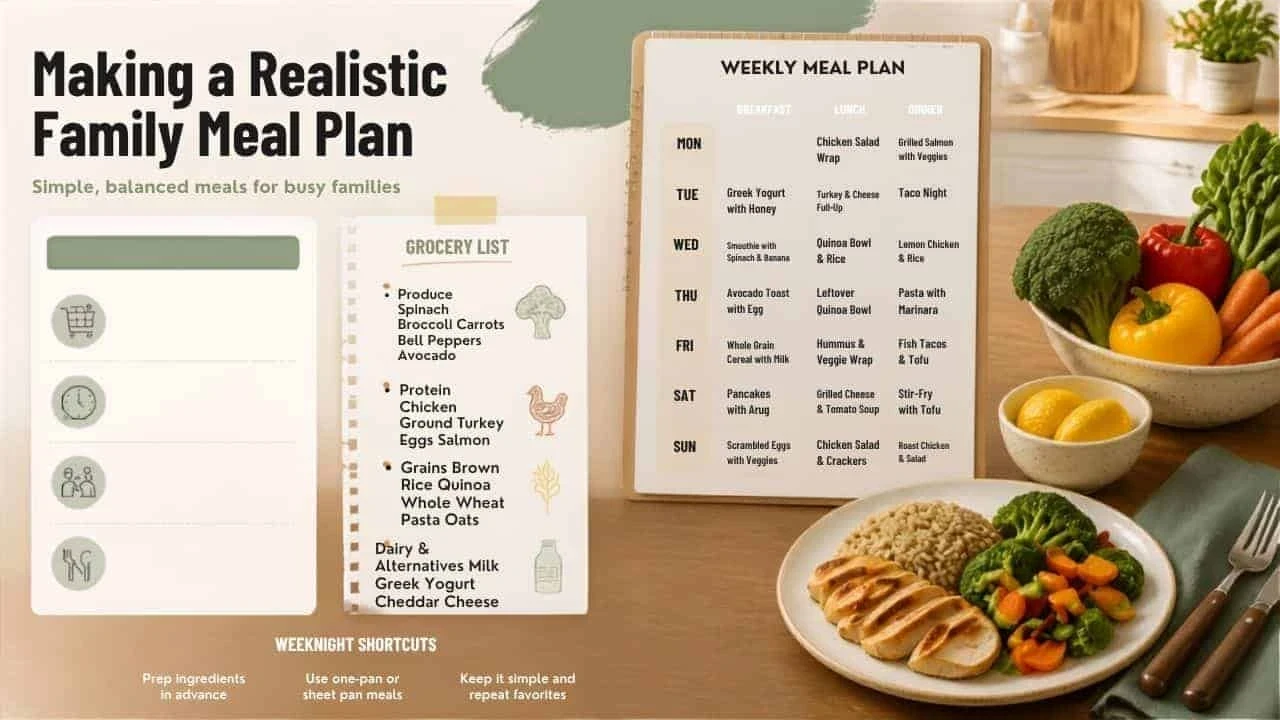
Perfection isn’t the goal here, but consistency and practicality are. My trick is to start small and build up as you get the hang of it:
- Start with the week’s busiest nights. For example, I plan for super quick dinners or leftovers on nights we have after school activities.
- Write down three to five go to meals everyone usually likes. These become my low stress options.
- Add one new recipe each week. If it’s a flop, no big deal. You still have old favorites to fall back on.
- Keep sides easy. Steam in bag veggies and prechopped salads save tons of time.
- Use a shared calendar. I enter our meal plan into a digital calendar or just take a picture of my written meal planner so everyone can see what’s for dinner.
Planning breakfasts and lunches can be just as simple. I rotate a few kid favorites, make overnight oats, and stock up on sandwich fixings. It helps to keep a running grocery list on my phone—no more scrambling last minute! Over time, this habit makes meal times way less stressful.
Smart Grocery Shopping and Ingredient Swaps
Good ingredients don’t have to eat up your whole paycheck. Here are my favorite ways to make my grocery runs more efficient and budget friendly:
- Start with what you have. Double check your fridge, freezer, and pantry before shopping.
- Pick versatile ingredients. Items like rotisserie chicken, frozen veggies, and canned beans make it easy to whip up different meals.
- Use ingredient building blocks. One pot of brown rice or a batch of roasted veggies can stretch into multiple lunches and dinners.
- Swap pricier meats for beans or eggs one or two nights a week. This switch is better for your budget and honestly, it’s pretty tasty.
- Buy in bulk when prices are good. Freeze protein or grains in meal sized portions to make future meals speedier and save money long term.
If you’re new to ingredient prepping, my older post on pantry essentials for busy families lays out a quick starter list. Shopping online or making a detailed grocery list keeps you on track and helps avoid those impulse buys that add up fast.

Dealing with Picky Eaters Without Losing Your Mind
Picky eating is basically a rite of passage for toddlers and even older kids. I handle it with one golden rule: always offer at least one “safe” food at each meal. This could be simple rice, bread, or carrot sticks, just something familiar that won’t cause drama if it’s the only thing they eat.
Low pressure is key. I remind myself not to stress if someone doesn’t love every dish. Keep foods neutral and separate if needed and let kids add sauces or toppings themselves. You can keep mealtimes positive by letting kids help prep food or pick out a side dish at the store, too. If you’re in this phase, I wrote about sneaky ways to add veggies to meals in 25 Healthy Weeknight Dinners Kids Will Actually Eat.
Sometimes, involving kids and partners in choosing one meal each week helps keep things upbeat and gives you a break from decision fatigue!

Saving Money and Reducing Food Waste
Wasted food feels like wasted effort and money, so I like to get creative to use up leftovers. Here are more ways I like to make meals last and stretch our budget while reducing food waste:
- Have a “clean out the fridge” night. Set out everything that needs to be used up and let everyone make their own plate. This turns dinner into a fun buffet and teaches kids about not wasting food.
- Repurpose leftovers into new meals. Leftover grilled chicken turns into wraps, quesadillas, or rice bowls the next day. Extra veggies go into omelets, stir fries, or soups.
- Freeze single portions. Even just half a cup of soup or stew makes for a great lunch later on. Meal prepping small servings means fewer excuses to throw food out.
- Compost or donate extras. If you end up with excess, check your local food banks or start composting scraps for your garden, especially if you have little helpers interested in growing food at home.
I’ve got some budget meal prep tips for families over at NicaFitness that might spark even more ideas, plus a few easy recipes to use up what’s left in your fridge.

Easy 7-Day Family Meal Plan Example
Here’s a simple, flexible meal lineup based on what works best for busy weeks. Adjust for dietary needs, swap out proteins, or leave off the sides that don’t fit your crowd. Lunch leftovers are always fair game for dinner too. You can let family members circle or highlight their favorites so next week’s plan is a breeze.
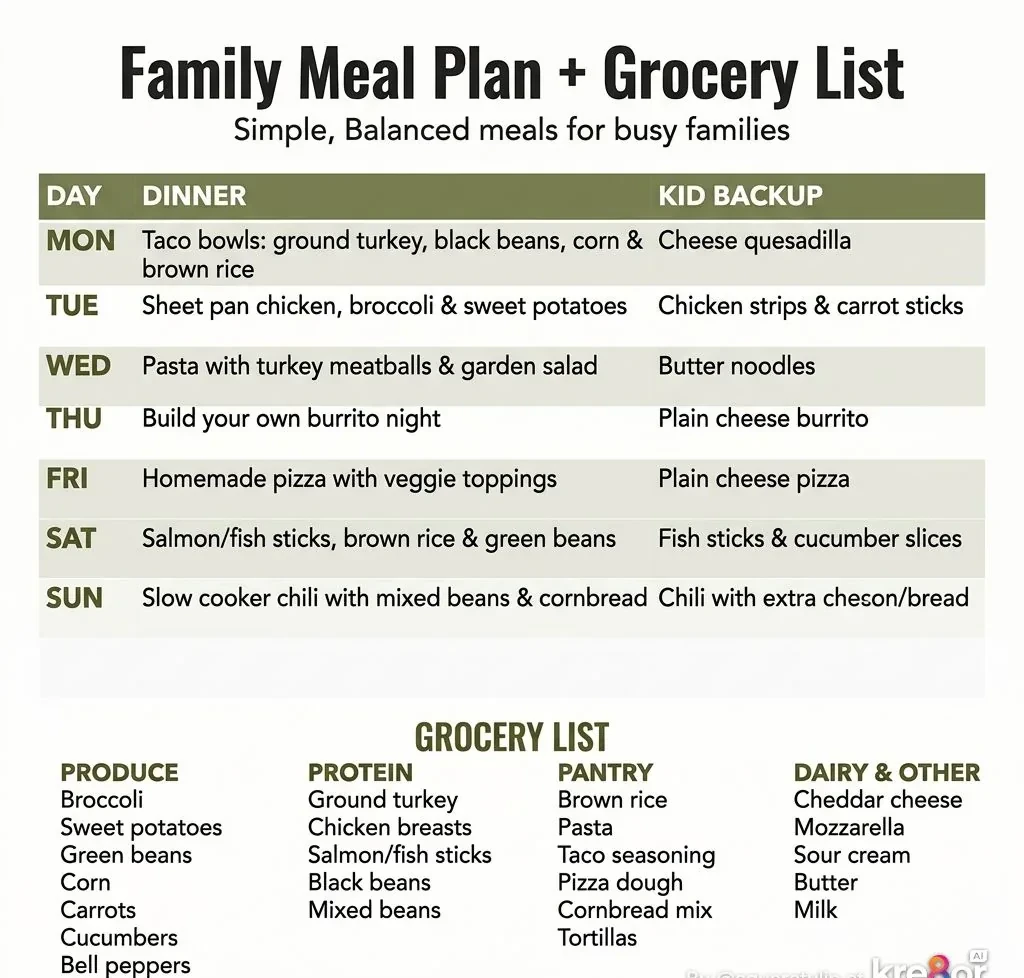
Breakfasts around here are usually eggs, toast, overnight oats, or smoothie bowls. Lunches rotate between wraps, pasta salad, and leftovers. Keep snacks ready to go, like cut veggies, fruit cups, or yogurt tubes for in between meals and school lunches.
Helpful Tips to Keep You on Track
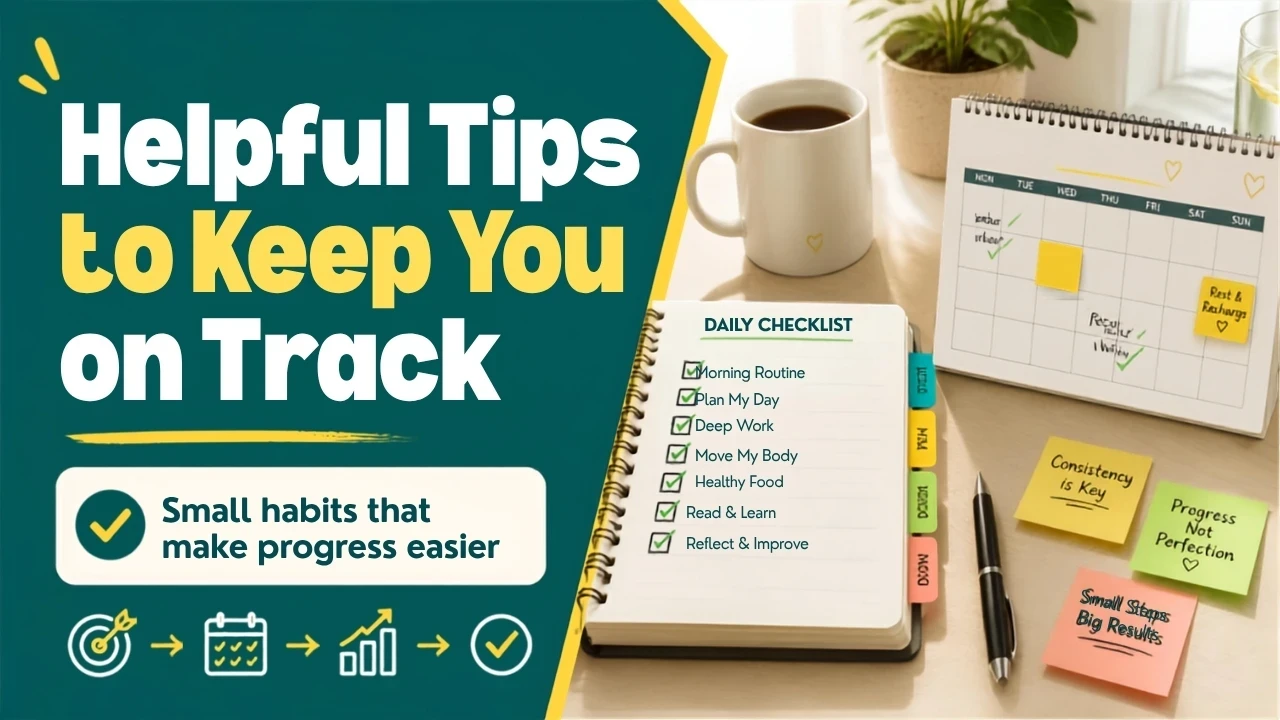
- Batch cook grains, proteins, or sauces on weekends (even for just half an hour).
- Let older kids help prep or cook, it builds kitchen skills and takes work off your plate. Younger kids can wash veggies, tear lettuce, or set the table.
- Keep snack bins stocked with fruit, cheese, and crackers for easy after school grabs and lunchbox fillers.
- Post your meal plan somewhere visible, so nobody asks, “What’s for dinner?” ten times a day.
- Give yourself a break. Takeout night is totally valid if it keeps you sane. The occasional pizza night is part of balanced family living!
If you want more mom tested ideas, don’t miss 15 Easy Air Fryer Dinner Recipes for Busy Moms
FAQs
How far in advance should I plan meals?
I personally plan one week at a time, but some people do two weeks or even a month. Start with a week and tweak as you go to find what feels right.
What if my kids won’t eat what I make?
I keep a backup meal I know my kids will eat (like scrambled eggs or toast) and try not to take it personally if they skip something. Consistent exposure to new foods helps over time, so just keep putting it on the table.
How can I keep my family from getting bored?
Small changes like different sauces, new toppings, or “theme nights” (Mexican, Mediterranean, breakfast for dinner) keep things feeling fresh without having to cook an entirely new menu every week.
Do you really save money by planning?
Absolutely. I waste less food, stretch ingredients, and don’t buy as many random “just in case” items. Tracking pantry staples helps big time, and you’ll see your grocery bill drop.
Save This Page
Bookmark this post or save it to your home screen. Coming back to your plan when you hit a busy week is super handy. Share with other busy moms you know as well; planning meals gets easier with encouragement and new ideas!
My Favorite Amazon Tools & Cookbooks
A few kitchen and meal-planning tools can make busy family meals much easier. I’ve put together my favorite picks in my Amazon Storefront, including meal planners, cookbooks, meal prep containers, and other helpful kitchen essentials.
Visit my Amazon Storefront to see my favorite meal-planning and kitchen tools.
Disclosure: This section contains affiliate links. If you purchase through my links, I may earn a commission at no extra cost to you. Thank you for supporting NicaFitness!
Found something helpful? Feel free to drop me a comment below or send your best meal planning success stories my way. We’re all in this together, here’s to stress free and enjoyable family dinners!

Hi, I’m Monica, creator of NicaFitness. I’m passionate about helping busy moms stay active and healthy through simple fitness tips, quick workouts, and nutritious meal ideas. My mission is to make healthy living realistic and achievable for busy lifestyles.
Hi Monica! A meal plan becomes much easier to live with when it is built around repeatable ingredients instead of seven completely separate recipes. In my experience as a business owner with unpredictable days, one batch of roasted vegetables, a protein, and a grain can turn into bowls, wraps, salads, or an easy skillet dinner before it becomes food waste.
Keeping a short list of dependable meals and placing them against the family calendar also takes much of the 5 p.m. decision pressure off the table. 😉 I also appreciate leaving room for takeout or a freezer meal, because a flexible plan is far more likely to survive a busy week than a perfect-looking one.
Thank you, Aly! I really like your point about keeping meal planning flexible. Using the same ingredients in different meals is such a simple way to save time and reduce food waste.
Hi there, Monica – Nica Fits!
I have a family but we are not together right now, I am in Nairobi and they are in Juba. We don’t even have a fridge on either side yet so meal planning is very different for us. I can’t do batch cooking or keep leftovers like you wrote. What I try to do is call home and we plan around dry foods like rice, beans, flour, and what we can get fresh that day from the market.
It is still hard with different schedules. Reading this gave me ideas for when we are together again and have a fridge, especially the part about having 3 or 4 simple meals everyone likes on repeat.
John
Thank you, John, for sharing your experience! I’m glad the article gave you some helpful ideas for when your family is together again. Wishing you and your family all the best!
Monica