Reading food labels can feel confusing when you’re short on time. With so much information on every package, it’s hard to know what really matters. This simple guide breaks down the basics so you can quickly compare products and make healthier choices for your family without spending too much time in the grocery aisle.
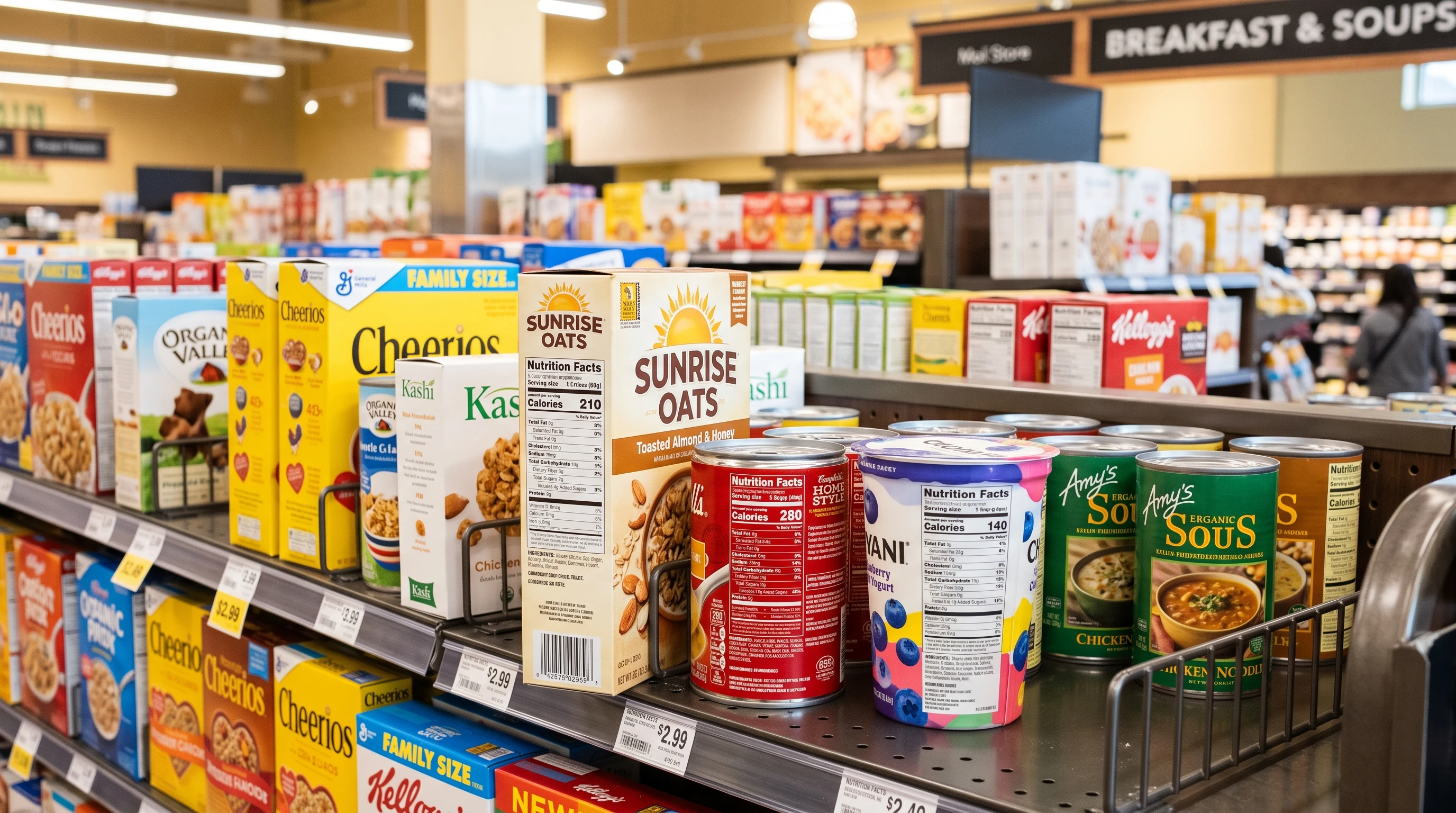
Table of Contents
- Why Food Labels Matter for Busy Moms
- Serving Sizes and Calories: The Basics
- Protein, Fiber, and Key Nutrients to Check
- Spotting Added Sugar and Sodium
- Ingredient List Basics (And What to Watch Out For)
- How to Compare Products in a Rush
- Real-Life Grocery Examples and Shortcuts
- Practical Tips for Smart Grocery Shopping
- Save This Page for Later
- Frequently Asked Questions
- My Favorite Label-Friendly Picks on Amazon
Why Food Labels Matter for Busy Moms
Reading food labels isn’t about being perfect. For moms juggling 1,000 things, label reading is mostly about grabbing foods that make sense for your family’s needs and cutting through the hype on packaging. With a few quick checks, you can spot hidden sugars, super salty snacks, and odd ingredients that you’d rather avoid. You’ll feel more confident about what’s in your cart, even if grocery shopping is happening at 8 PM after a long day.
Here’s a Best Healthy Pantry Staples for Busy Family Meals if you want more meal-planning hacks.
Food labels help you check what really matters and ignore marketing. For example, “organic” or “gluten-free” claims don’t always mean healthier. Busy parents need food that fits their lives, not just buzzwords. Understanding labels means you can grab groceries with confidence, no matter how stressed or distracted you feel.
Serving Sizes and Calories: The Basics
The first spot to check on any label is the serving size. I’ve been caught grabbing a snack, thinking it was low in calories, only to realize the package had 2.5 servings inside! The numbers you see calories, protein, sugar, everything are usually based on one serving. The serving size might look smaller than you expect (like ¾ cup of cereal or 15 chips). If you eat double that, just remember to double those numbers too.
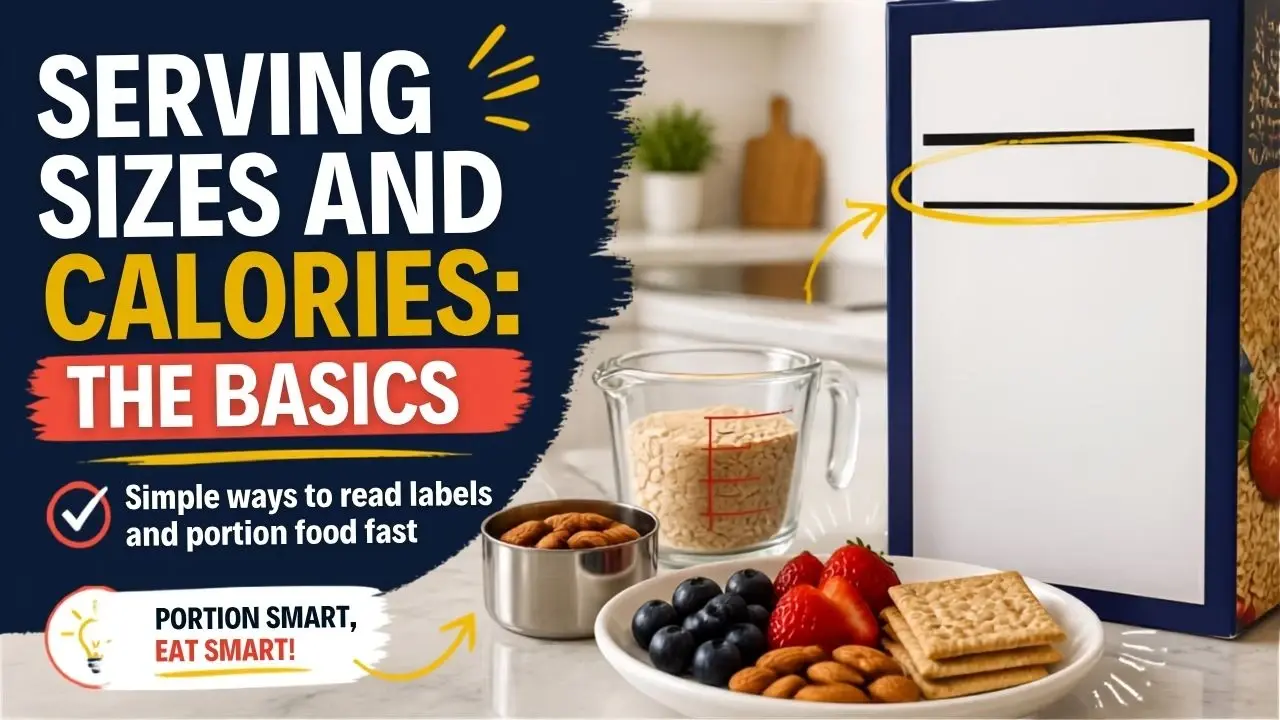
- Helpful tip: Sometimes food companies shrink serving sizes, so the numbers look better. Always check the serving size first, especially for snacks, cereals, and drinks.
- If you’re tracking your calories, 30-Day Walking Plan For Weight Loss For Busy Moms might help.
Always make sure to compare snacks and meals based on how much you actually eat. If you tend to fill up bowls or eat out of the bag, those servings add up fast. Remember, the serving sizes listed aren’t always realistic for every family, so do a quick check to avoid surprises later.
Protein, Fiber, and Key Nutrients to Check
When I’m in a hurry, I mostly scan for protein and fiber, especially if I’m buying foods my kids will snack on during the week. Protein helps keep everyone fuller for longer. Fiber is super important for digestion and helps slow down sugar spikes.
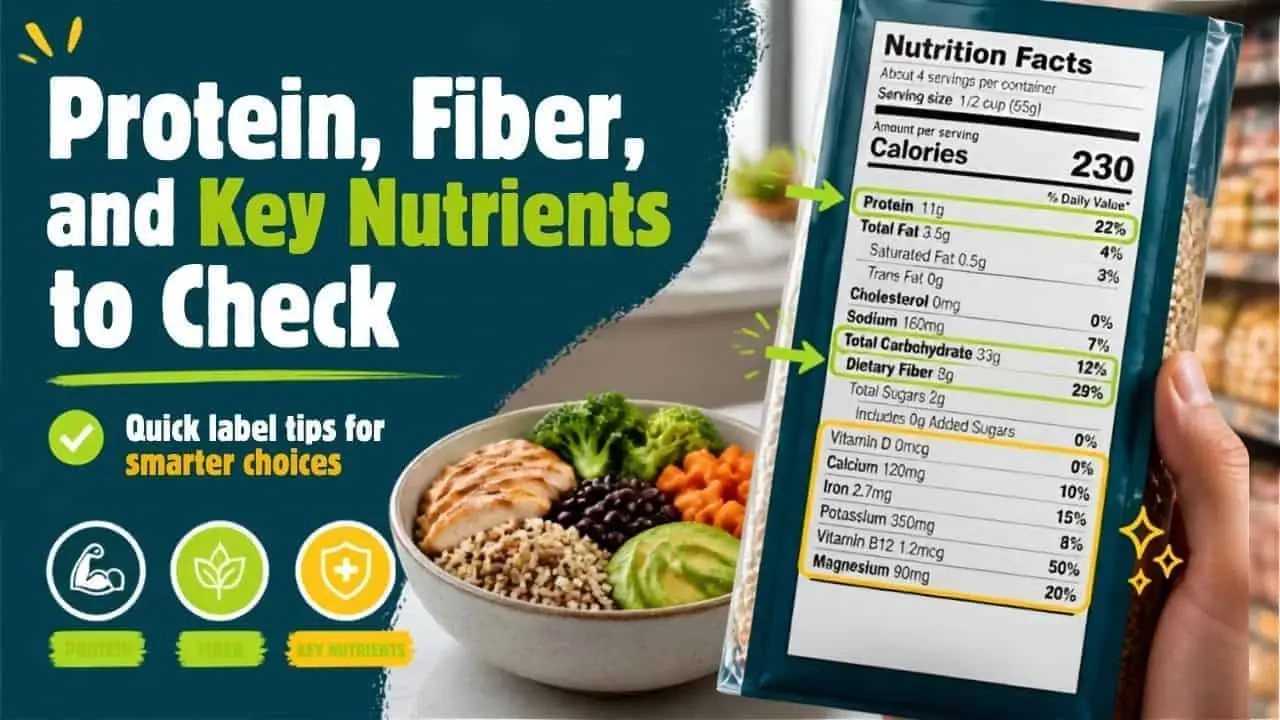
Protein: Great for energy and keeping hunger away. Good to aim for 5–10 grams of protein per serving in snacks and meals.
- Fiber: Foods with at least 3 grams of fiber per serving are solid picks. Whole grain products usually have more.
- Other nutrients worth checking calcium (for bones), iron (for energy), and vitamin D.
More on 15 High-Protein Snacks For Busy Moms Trying To Lose Weight that actually taste good for picky eaters.
It’s also handy to keep an eye out for foods that boast other helpful nutrients, especially if someone in your family has gaps in their nutrition. For instance, some plant-based milks are fortified with vitamin D and calcium, which can be a plus if you skip cow’s milk.
Spotting Added Sugar and Sodium
Even foods that look legit (yogurt, breads, sauces) can be packed with added sugar and sodium. You’ll see sugar in grams, ideally, single digits per serving for snacks is better. Sodium pops up in just about everything processed. I like to keep daily sodium under 2,300 mg for myself but under 1,500 mg is better for kids when possible. Tiny kids need even less.
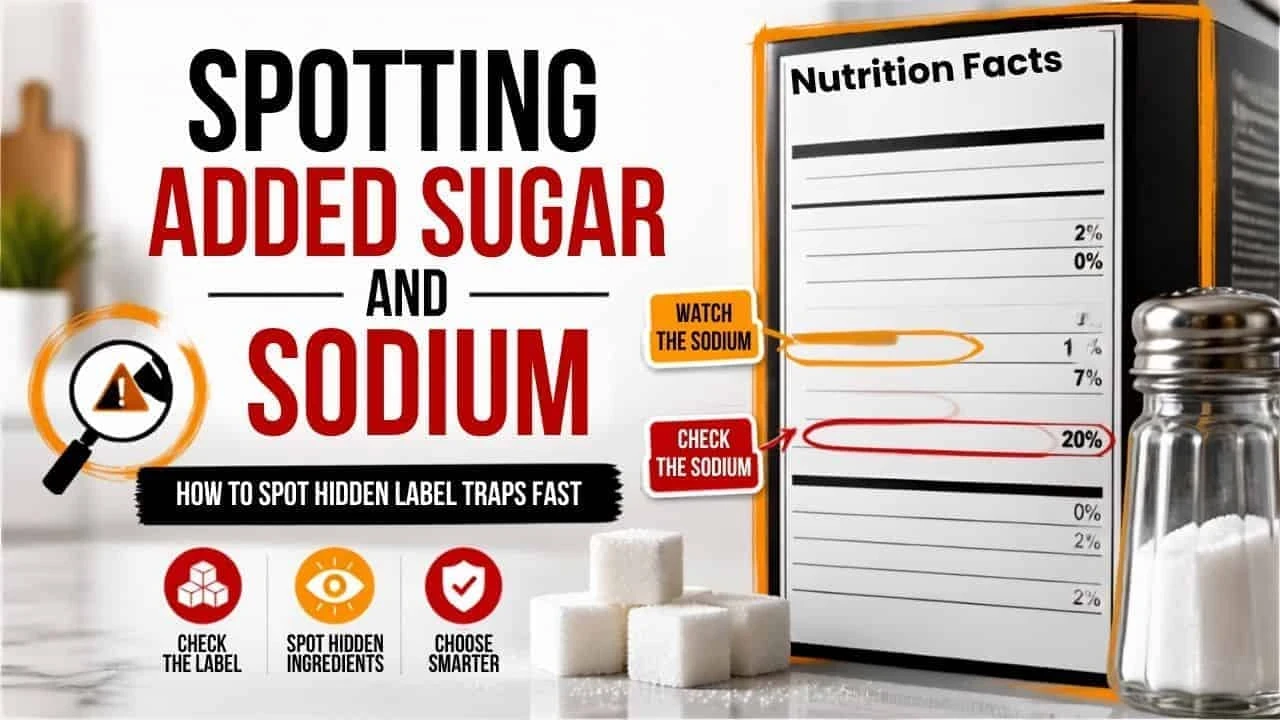
- Look for terms like “added sugar” or “includes x grams added sugar” underneath the sugar number. Companies sneak sugar in with names like high fructose corn syrup, cane juice, or honey.
- Sauces, soups, and frozen meals can sneak in most of your daily sodium in just one serving. A quick glance at the sodium line saves surprises after the meal.
For more ideas, you can check out Best Healthy Pantry Staples For Busy Family Meals in kid foods.
Sugar and salt add flavor, but it’s easy for packaged snacks to sneak in much more than you realize. Watch out for snacks that seem healthy but are loaded with sugar or sodium just to boost taste. Over time, reading labels becomes a habit, and your taste buds adjust, making lower sugar and salt options your new normal.
Ingredient List Basics (And What to Watch Out For)
The ingredient list shows what’s actually inside that box or bag. By law, ingredients are listed from most to least. If sugar, white flour, or oil is in the first three, that food might not be the healthiest grab. Shorter, recognizable ingredient lists are generally easier to trust. If the list reads like a science experiment, I usually pass (looking at you, “mono and diglycerides”).
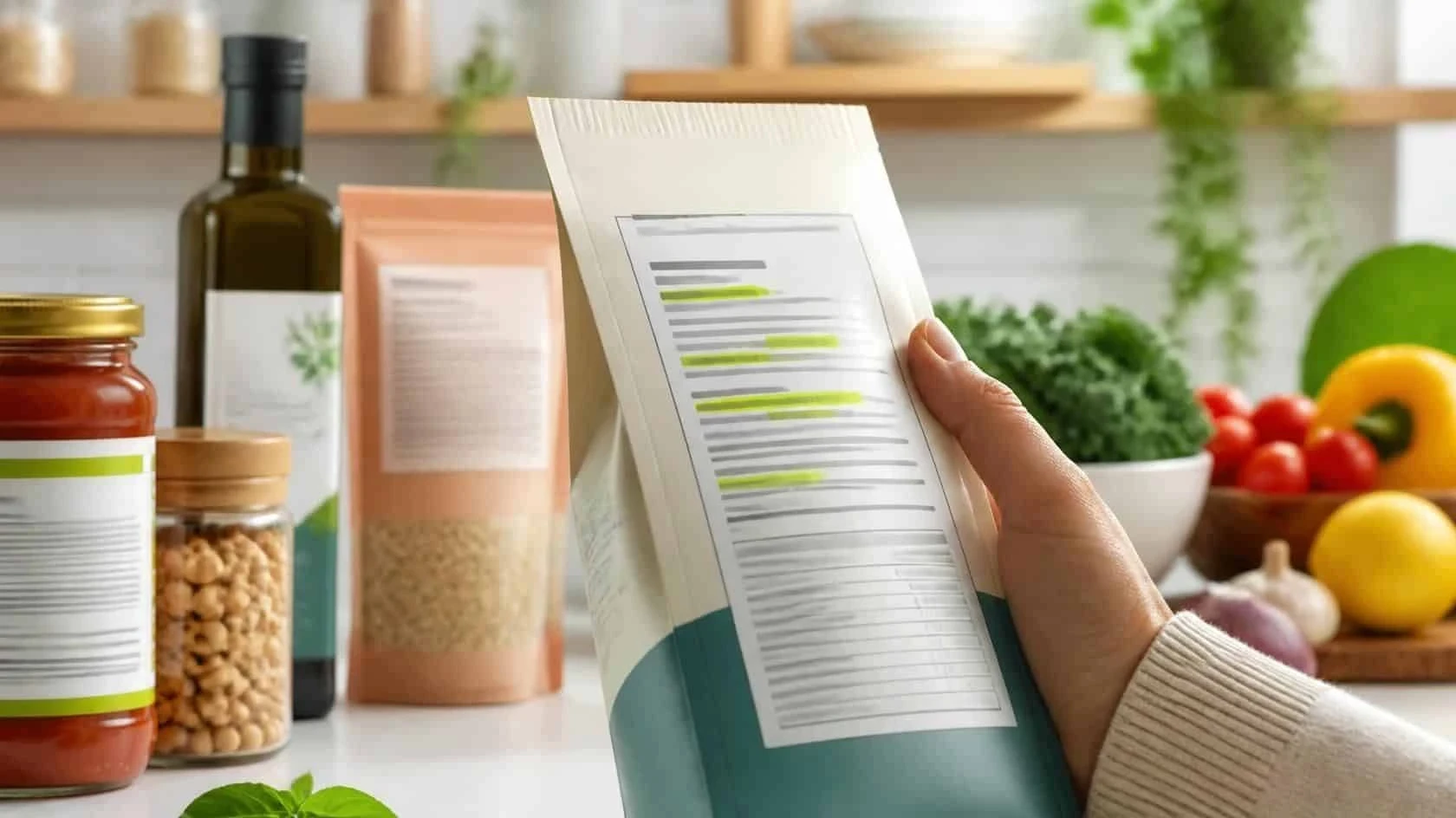
- Some allergy info (like milk, soy, peanuts) is required to be bolded. Spot these quickly by scanning the bottom of the list.
- Artificial colors, preservatives, and unpronounceable additives aren’t always needed. When I have a choice, I prefer simpler lists especially for school snacks and lunchbox extras.
Learn more about How To Save Money on Groceries: 10 Smart Tips for Families and what’s actually worth worrying about.
If your child has allergies, always check the label for the “may contain” or “processed in a facility with” warnings towards the end. Food manufacturers use different phrases to alert you, so double-checking is a good habit.
How to Compare Products in a Rush
When you’re standing in the aisle, holding two boxes with a toddler tugging your sleeve, quick label reading can save the day. Here’s my speed-check routine:
- Check serving size first. If one box is bigger, compare per serving, not per package.
- Glance at calories, sugar, and sodium for similar products.
- Higher fiber and protein are usually better. Lower sugar and sodium win out if flavor isn’t a dealbreaker.
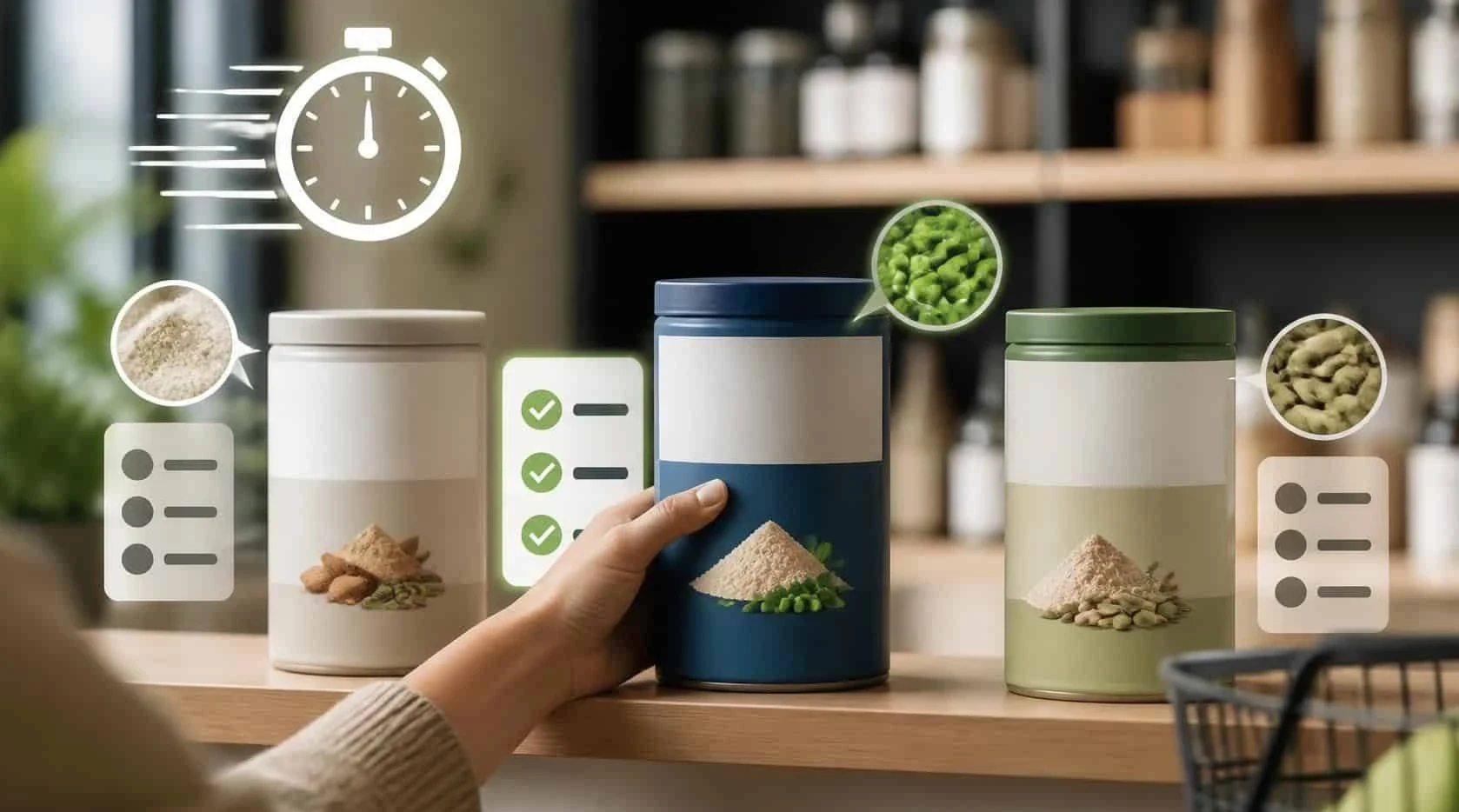
For example, when picking between two granola bars: one has 9g sugar, 2g fiber, 2g protein; the other has 4g sugar, 4g fiber, 6g protein. I’ll grab the second one because it will keep my crew fuller, longer.
Here’s a quick read on 25 Healthy Lunchbox Ideas For Picky Eaters That Kids Will Actually Eat.
If both options seem similar in flavor and price, grab the better label at first, and if your family likes it, make it your go-to. It saves time on future trips.
Real-Life Grocery Examples and Shortcuts
Some of my go-to label hacks make shopping super quick:
- Frozen veggies over canned: Less sodium, and no chopping needed. Steam in minutes.
- Whole grain bread over white: More fiber, more flavor, keeps kids regular (oh, the small joys of parenting!).
- Look for “100% whole wheat” as the first ingredient for better nutrition.
- Choose plain, unsweetened yogurt and toss in your own fruit instead of grabbing fruit-on-the-bottom yogurt, which usually hides extra sugar.
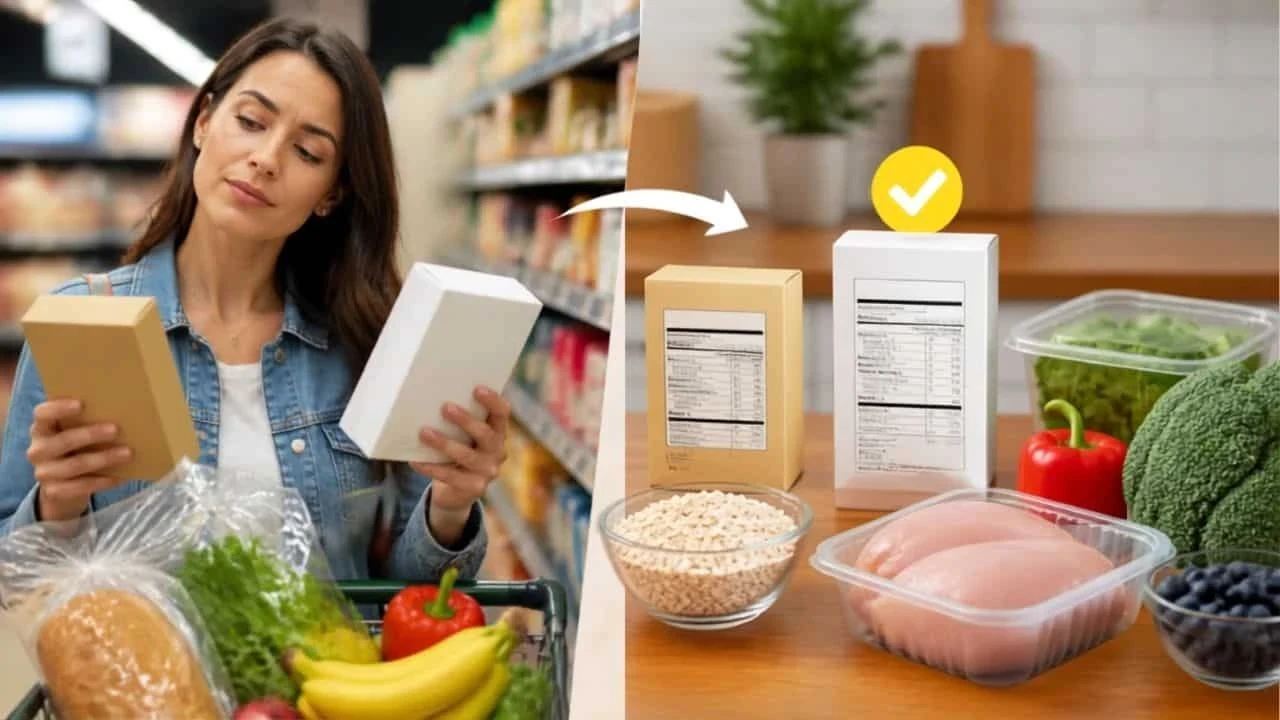
I keep premade lists and stick to the outside aisles (produce, dairy, meat) where whole foods are. Labels for these items are way easier. Sometimes just one ingredient!
If you want a quick download of my Best Budget Grocery List For Family (Free Printable), you can grab it right here.
Some days, sticking to a grocery list might feel impossible, but it really helps limit impulse buys and saves time. I like to jot down favorites and use phone apps for easy repeat shopping.
Practical Tips for Smart Grocery Shopping
- Don’t feel like you have to read every single label. Once you find brands you trust, it gets way faster.
- Label reading is easier when you shop with a full stomach. Less room for impulse grabs.
- Use your phone’s calculator for quick math, especially with multi serving packages.
- The fewer ingredients listed, the simpler (and often healthier) the food.
Check out 15 Easy Meal Prep Ideas For Busy Moms Trying To Lose Weight for keeping shopping and cooking quick.
Plan meals for the week with your family’s schedule in mind. Making a quick menu before shopping helps narrow choices and means fewer label checks under pressure.
Save This Page for Later
Busy days mean grocery runs aren’t always planned. Save or bookmark this guide so you’ll have these simple tips handy whether you’re in the store or ordering groceries online!
Frequently Asked Questions
How do I know if a label is actually healthy?
Look for short ingredient lists, high fiber, and protein, with lower added sugar and sodium. Marketing buzzwords like “natural” or “made with whole grains” can be misleading, so always flip to the label itself.
What’s the best way to cut down on processed foods?
Pick up more foods from the produce, dairy, meat, and bulk sections, where single-ingredient options are the norm. When buying packaged foods, go for those with the shortest, simplest ingredient list you can find.
Are store brands always less healthy?
Nope! Many store brands are just as nutritious as name brands, sometimes with less sugar or salt. Check the labels to compare head-to-head.
Do “organic” or “non-GMO” mean healthy?
Not always. These terms can mean higher prices but don’t make a food automatically healthier. Still check the nutrition label and ingredients.
What if my kids are super picky?
Find a few reliable, healthier options and stick with them. Gradually mix in new foods. Kids watch what we choose, too!
My Favorite Healthy Grocery & Kitchen Finds
Making healthier choices at the grocery store is easier when you have a few useful tools at home. I’ve put together some of my favorite kitchen essentials, food storage items, meal-prep tools, and healthy-living products in my Amazon Storefront.
Shop my Amazon Storefront for my favorite kitchen and meal-planning finds.
Disclosure: This section contains affiliate links. If you purchase through my links, I may earn a commission at no additional cost to you. Thank you for supporting NicaFitness!
If you have any other food label questions or want more examples, drop a comment. I always love helping other parents find quick, realistic ways to eat well!

Hi, I’m Monica, creator of NicaFitness. I’m passionate about helping busy moms stay active and healthy through simple fitness tips, quick workouts, and nutritious meal ideas. My mission is to make healthy living realistic and achievable for busy lifestyles.
This was genuinely useful and easy to follow. I especially liked the quick comparison routine of checking serving size, sugar, sodium, fiber, and protein because that’s something I could actually use while standing in the grocery aisle.
One thing I’d love to see is a simple “good vs. not-so-good” example using two real nutrition labels. I think seeing the numbers side by side would make the advice even easier to apply.
When you’re choosing food for your family, which do you prioritize most: lower sugar, lower sodium, higher protein, or higher fiber?
Thank you, Don! I agree, higher protein and fiber are my top priorities, while still watching sugar and sodium.
This was really helpful thanks, as we do try to give our families the best nutrition, but sometimes labels are very difficult to understand. I always got told that if there are too many ingredients that you don’t recognize in the product, then don’t buy it. Also they normally put the most prominent ingredients at the top and the lesser ones at the bottom.
As per your advice I will definitely look for the fibre and protein. Would you say as much as possible go for unprocessed Whole Foods? Or rather go for varieties with extra added protein and fibre?
Thank you, Michel! Whole, minimally processed foods are best when possible. Added protein and fiber can also be helpful.