
This post may contain affiliate links. As an Amazon Associate, I earn from qualifying purchases at no extra cost to you.
Balancing work, family responsibilities, and daily life can make cooking healthy meals feel overwhelming. That’s why zero-waste meal planning for busy moms is becoming a popular solution for families who want to simplify their routine while reducing food waste.
Zero-waste meal planning focuses on using ingredients efficiently, planning meals ahead of time, and minimizing unnecessary grocery purchases. With a little organization, you can save money, reduce stress, and make your kitchen more eco-friendly.
Why Zero-Waste Meal Planning Matters
Food waste is a bigger issue than many people realize. In the United States, about 30–40% of the food supply is wasted each year.
When food is thrown away, it doesn’t just waste money, it also contributes to environmental problems such as greenhouse gas emissions.
By adopting a simple zero-waste meal planning routine, you can:
-
Reduce grocery costs
-
Make better use of ingredients
-
Lower household waste
-
Teach children sustainable habits
-
Help protect the environment
Small changes in how we shop, cook, and store food can create a big impact over time.
Essential Tools for Zero-Waste Meal Planning
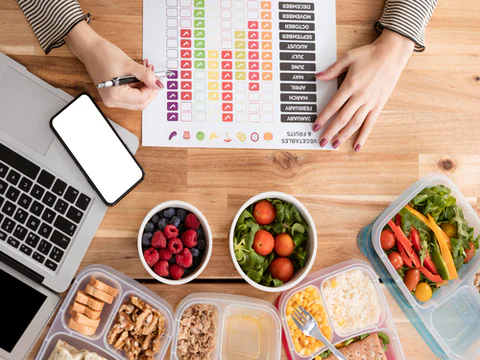
One of the easiest ways to stay organized is by using meal planning printables or planners. These simple tools help busy moms track meals, grocery lists, and ingredients already available in the kitchen.
Unlike digital apps that are easy to forget, printed planners can stay visible on the fridge or kitchen counter, making them easy to update throughout the week.
Helpful tools include:
-
Weekly meal planners
-
Grocery shopping lists
-
Pantry inventory sheets
-
Leftover trackers
Taking just 10–15 minutes each week to plan meals can make your entire kitchen routine more efficient.
How to Create a Zero-Waste Weekly Meal Plan
Every family has different schedules and preferences, so your meal plan should be flexible and simple to follow.
1. Check Your Kitchen First
Before grocery shopping, look through your fridge, freezer, and pantry. Plan meals around ingredients you already have to avoid unnecessary purchases.
2. Plan Meals Around Shared Ingredients
Choose recipes that use similar ingredients. This prevents food from sitting unused in your fridge.
3. Track What Gets Used
If certain foods often go to waste, adjust your shopping habits and buy smaller amounts.
4. Keep Your Meal Plan Simple
Complicated systems often fail. A basic weekly plan with simple meals works best for busy households.
Smart Cooking Tips to Reduce Food Waste
Once you have your meal plan ready, a few simple cooking habits can help reduce food waste even more.
Leftovers can easily turn into new meals.
Examples include:
-
Roasted vegetables → add to pasta or wraps
-
Cooked chicken → use in soups or salads
-
Rice → turn into fried rice the next day
Buy Seasonal Produce
Seasonal fruits and vegetables are fresher, often cheaper, and more environmentally friendly because they travel shorter distances.
Meal Prep in Advance
Preparing ingredients or cooking meals ahead of time helps avoid last-minute takeout and prevents food from spoiling.
Involve the Whole Family
Kids can help choose meals, prep ingredients, or track leftovers. This teaches valuable lessons about sustainability and responsibility.
Long-Term Benefits of Zero-Waste Meal Planning
Adopting a zero-waste meal planning system brings long-term benefits for both your family and the environment.
Save Money
Buying only what you need and using everything you purchase reduces grocery spending.
Reduce Stress
Knowing what you’re cooking each day eliminates the daily “What’s for dinner?” struggle.
Improve Family Nutrition
Home-cooked meals often contain healthier ingredients than fast food or processed meals.
Support a Sustainable Lifestyle
Every small effort helps reduce environmental impact and supports a healthier planet.
Final Thoughts
Zero-waste meal planning doesn’t require perfection. It’s about making small, intentional choices that help reduce food waste while simplifying your kitchen routine.
With a little planning and the right tools, busy moms can save time, lower grocery costs, and create a more organized and eco-friendly home.
Start small, stay consistent, and enjoy the benefits of a smarter and more sustainable way of cooking for your family.
| Product | Why It’s Useful |
|---|---|
| Magnetic Weekly Meal Planner | Helps organize weekly meals and grocery lists directly on the fridge |
| Glass Meal Prep Containers | Perfect for storing leftovers and keeping food fresh longer |
| Reusable Produce Bags | Reduce plastic waste when buying fruits and vegetables |
Magnetic Weekly Meal Planner
A magnetic weekly meal planner is a simple but powerful tool for organizing family meals. Placing it on your refrigerator allows everyone in the household to see what’s planned for the week.
Benefits include:
-
Easy weekly meal planning
-
Built-in grocery list organization
-
Helps avoid last-minute takeout
Glass Meal Prep Containers
Glass containers are perfect for storing leftovers and preparing meals ahead of time. They help reduce plastic waste and keep food fresh longer.
Why they are helpful:
-
Durable and reusable
-
Microwave and dishwasher safe
-
Ideal for meal prepping
👉 View glass meal prep containers on Amazon
Having the right kitchen tools can make zero-waste meal planning much easier and help busy moms stay organized.
Reusable Produce Bags
Reusable produce bags are a great way to reduce plastic waste when shopping for fruits and vegetables. They are lightweight, washable, and environmentally friendly.
Benefits include:
-
Eco-friendly grocery shopping
-
Durable and reusable
-
Helps support a zero-waste lifestyle
👉 See reusable produce bags on Amazon
Frequently Asked Questions About Zero-Waste Meal Planning
What is zero-waste meal planning?
Zero-waste meal planning is a method of organizing your weekly meals to reduce food waste and use ingredients efficiently. It involves planning meals ahead of time, buying only what you need, and finding creative ways to use leftovers.
How does zero-waste meal planning save money?
When you plan meals in advance, you avoid buying unnecessary groceries and reduce the amount of food that gets thrown away. Over time, this helps lower your grocery bills and improve your household budget.
Is zero-waste meal planning difficult for busy moms?
Not at all. In fact, it can make life easier. Spending 10–15 minutes each week planning meals helps reduce stress, prevents last-minute grocery runs, and simplifies daily cooking.
What are some easy zero-waste meal planning tips?
Some simple tips include:
-
Check your fridge and pantry before shopping
-
Plan meals that use similar ingredients
-
Store leftovers properly
-
Use extra vegetables in soups, stir-fries, or salads
-
Freeze ingredients that might spoil soon
Can zero-waste meal planning help the environment?
Yes. Reducing food waste lowers the amount of waste sent to landfills and decreases greenhouse gas emissions. Small changes at home can make a positive impact on the environment.
What tools help with zero-waste meal planning?
Helpful tools include:
-
Weekly meal planners
-
Grocery shopping lists
-
Pantry inventory trackers
-
Leftover planning sheets
These tools help keep your kitchen organized and prevent unnecessary food purchases.
How can families get started with zero-waste meal planning?
Start small. Choose a few simple meals for the week, shop with a list, and make a plan to use leftovers. Over time, zero-waste habits will become a natural part of your family’s routine.
You might also like:

Hi, I’m Monica, creator of NicaFitness. I’m passionate about helping busy moms stay active and healthy through simple fitness tips, quick workouts, and nutritious meal ideas. My mission is to make healthy living realistic and achievable for busy lifestyles.
This does make a lot of sense. It is very difficult to cook enough food exactly as there are always leftovers that never seem to get eaten and then chucked a week later. I would love ideas on ways to use up the leftovers in an interesting way.
I also need to get my act together and do some meal planning each week. That too will save a lot of money and last minute grocery purchases.
Hi Michel!
You’re not alone—leftovers are a challenge for many. A few quick ideas: turn them into stir-fry, soups, wraps/quesadillas, or breakfast bowls.
Meal planning really does save time and money—once you start, it gets easier. Thanks for your comment!
Zero-waste meal planning works best when it’s flexible, not strict. The biggest win isn’t eliminating all food waste, it’s planning meals around what you already have and being okay with repeats, leftovers, and last-minute changes. Even a small habit, like checking the fridge before shopping, can make a noticeable difference without adding stress.
Absolutely, HalfAmazing! I love your point, flexibility is key. Even small habits like checking the fridge or embracing leftovers make zero-waste planning doable and stress-free. Thanks for sharing these practical tips!