
Affiliate Disclosure:
This post may contain affiliate links, which means I may earn a small commission at no extra cost to you. I only recommend products that I find helpful for busy moms and families.
You can combine this with easy meal planning for busy moms to stay organized each week.
Tips for Using Seasonal Produce to Save Money Every Week
How to Find the Best Deals on Seasonal Produce
Saving money on groceries comes down to a few simple habits:
Shop farmers markets
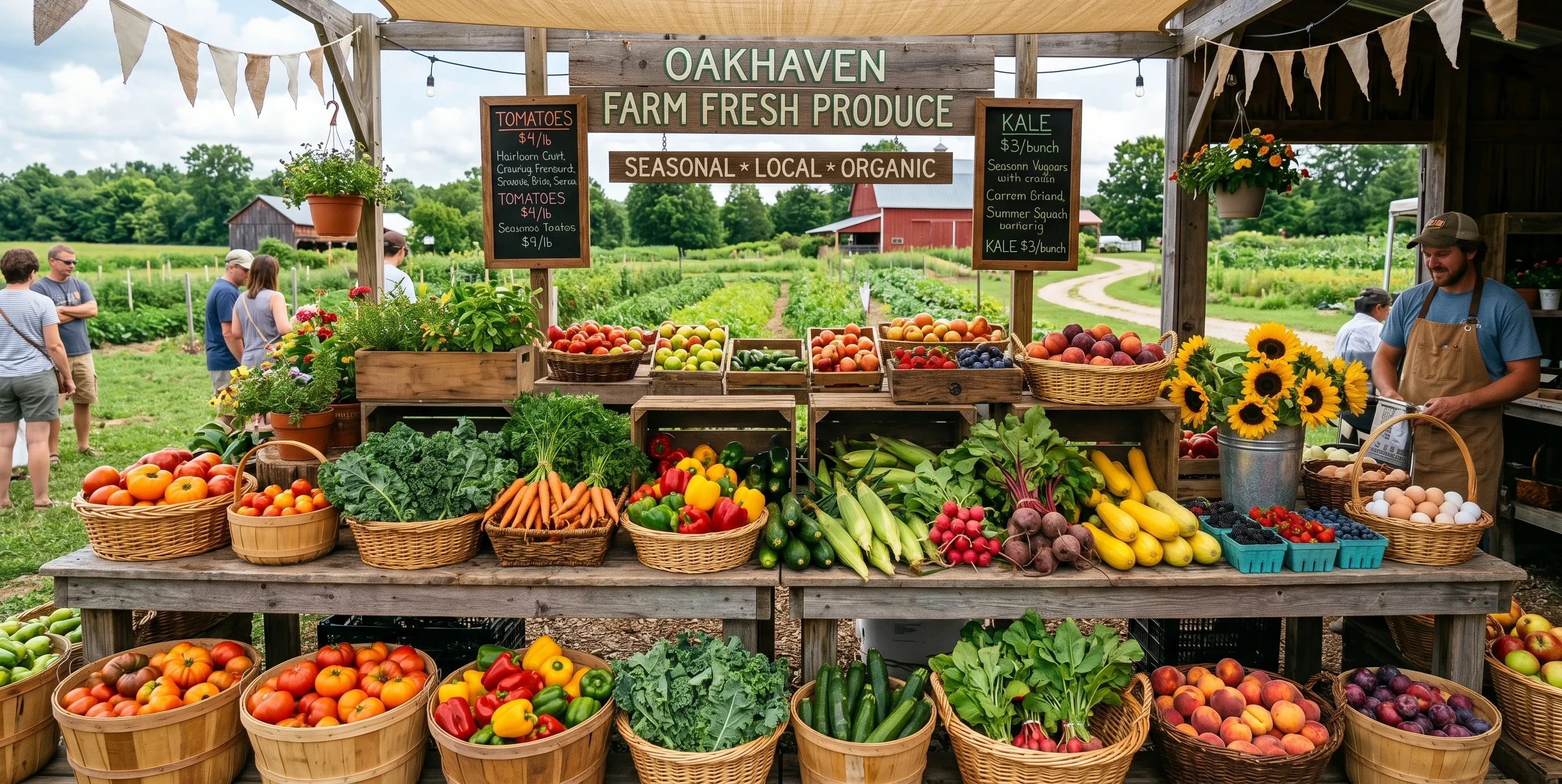
Fresh, local produce is often cheaper, especially later in the day when vendors discount items.
Buy in bulk
Stock up when prices drop. Freeze or use extras in simple recipes.
Check flyers and apps
Look for sales on seasonal items before you shop so you don’t miss easy deals.
Use frozen produce
It’s often cheaper and just as nutritious. Great to keep on hand for quick meals.
Choose “imperfect” produce
Odd-looking fruits and veggies are usually just as good and cost less.
Comparing prices and checking discount bins can stretch your budget even further. Once you get into the habit, saving on seasonal produce feels easy.
For more budget help, read how to save money on groceries for families.
Budget-Friendly Meal Ideas Using Seasonal Produce to Save Money
Keeping meals simple makes it easier to use what’s in season. Here are a few easy ideas:
Veggie stir fry
Toss seasonal veggies with rice or noodles. Add soy sauce or whatever you have on hand.
Smoothies
Blend greens and fruit for a quick meal or snack. Use frozen produce and add oats or yogurt to make it more filling.
Sheet pan dinners
Roast seasonal veggies with chicken or sausage on one pan. Easy and minimal cleanup.
Soups and stews
Great for using leftovers and stretching ingredients. Plus, they freeze well.
Salads
Mix seasonal produce with a protein like chicken, beans, or nuts for a simple, fresh meal.
A little creativity with seasonings and add-ins can keep things interesting. Once you get the hang of seasonal cooking, shopping and meal planning feel much easier.
How to Store Seasonal Produce to Save Money Without Waste

Fresh produce doesn’t last forever, but a few small habits can help it stay fresh longer and keep more of it out of the trash.
Wait to wash fruits and vegetables until you’re ready to use them
Store berries and leafy greens with a paper towel to soak up extra moisture
Keep apples and bananas away from other produce so they don’t speed up ripening
Freeze anything you won’t use in time for future meals or smoothies
Using clear containers and labeling anything you freeze makes it easier to see what you have and actually use it before it goes bad.
What Produce Is In Season Each Month (Quick Guide)
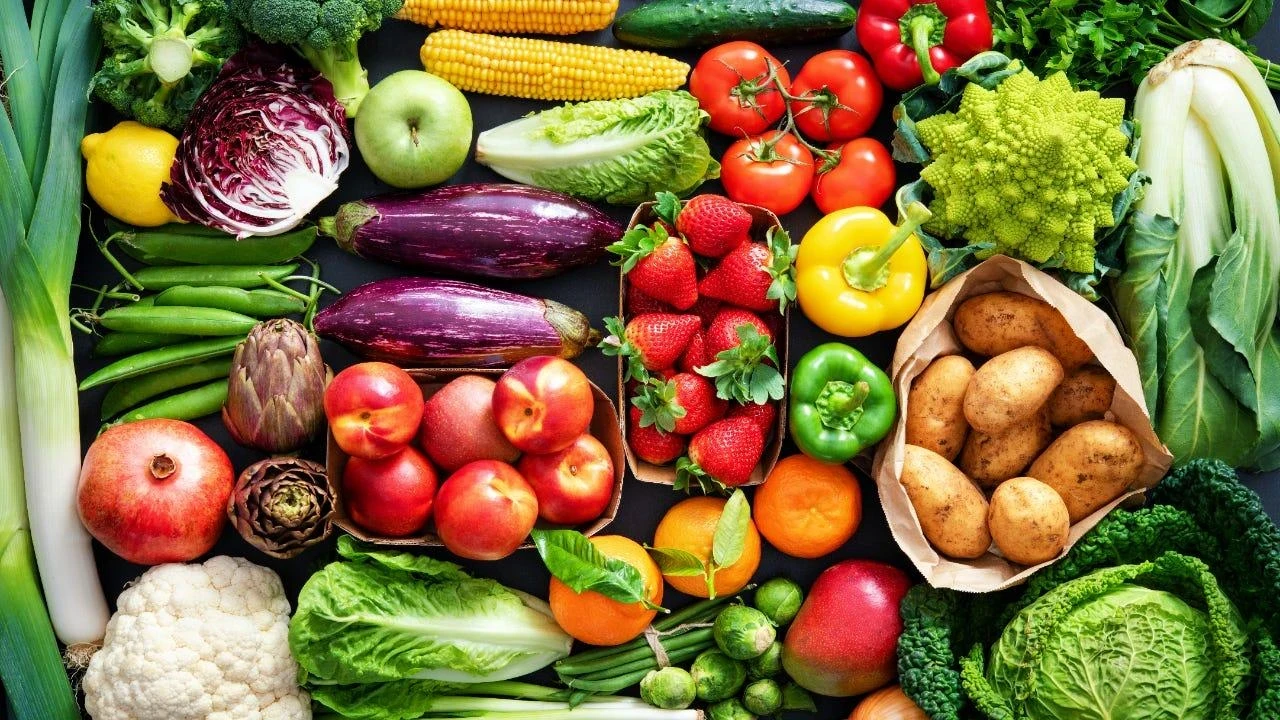
Eating seasonal produce doesn’t have to be complicated. Here’s a simple breakdown to help you shop smarter and save money year-round:
Spring (March–May)
- Strawberries
- Spinach
- Asparagus
- Peas
- Radishes
Summer (June–August)
- Tomatoes
- Zucchini
- Corn
- Blueberries
- Peaches
Fall (September–November)
- Apples
- Pumpkins
- Sweet potatoes
- Carrots
- Brussels sprouts
Winter (December–February)
- Oranges
- Grapefruit
- Kale
- Broccoli
- Cabbage
💡 Tip: Seasonal produce is often fresher, tastes better, and costs less because it’s more abundant.
My Favorite Budget-Friendly Seasonal Staples
When I want to save money and still eat healthy, these are my go-to picks:
- Frozen berries (great for smoothies anytime)
- Sweet potatoes (cheap, filling, and versatile)
- Cabbage (lasts long and works in many meals)
- Carrots (budget-friendly and nutritious)
- Bananas (perfect for quick snacks or breakfasts)
FAQ About Buying Seasonal Produce
Making Seasonal Eating Work for Real Life
You don’t need to change everything, just add a few in-season fruits and vegetables each week to save money and keep meals fresh.
Plan a couple of meals around what’s in season and keep the rest simple. Small changes like this make healthy eating easier and more affordable over time.
Helpful Tools for Buying and Storing Seasonal Produce
Using seasonal produce to save money becomes even easier when you have the right tools to stay organized and reduce food waste. These simple items can help you shop smarter, store food properly, and make your weekly routine more efficient.
These simple tools can help you save money and make using seasonal produce even easier:
🛍️ Reusable Produce Bags
Perfect for shopping at grocery stores or farmers markets. These eco-friendly bags help you carry fruits and vegetables while reducing plastic waste.
Check Price on Amazon🥬 Produce Storage Containers
Keep fruits and vegetables fresh longer and reduce food waste. Great for organizing your fridge and saving money.
Check Price on Amazon🔪 Vegetable Chopper
Save time in the kitchen by quickly chopping vegetables for meals. Perfect for busy moms who want fast meal prep.
Check Price on Amazon

Hi, I’m Monica, creator of NicaFitness. I’m passionate about helping busy moms stay active and healthy through simple fitness tips, quick workouts, and nutritious meal ideas. My mission is to make healthy living realistic and achievable for busy lifestyles.
I enjoy strolling through farmers markets during the Spring and Summer, searching for produce. Shopping local is something I strive to do, all while, saving money. Also knowing who grew your product and making a connection is fantastic. I typically like to buy produce in bulk, store extra or giveaway excess to neighbors.
Which fruits and vegetables are cheapest during their peak seasons?
Thank you for sharing your experience. Shopping at farmers markets is a great way to save money while getting fresh produce and supporting local growers. Buying in bulk when prices are low is a smart idea too.
Some of the cheapest fruits and vegetables during peak seasons are strawberries, watermelon, peaches, zucchini, tomatoes, corn, cucumbers, apples, pumpkins, and leafy greens depending on the time of year. Seasonal produce is usually fresher and more affordable.
Using seasonal produce to eat healthy and save money is a great idea. I am very happy that I visited your website and read your article today. Your section on seasonal product examples is very helpful. Before reading your article, I must admit I was not aware what produce was in season at varies time of the year.
The tips on how to save money with seasonal products have inspired me. I am going to give this a try and see how it works out for me. This is a very helpful guide for me, as I do enjoy eating produce year-round. This helps me to get more produce for less money.
Thank you for sharing all this good information
Jeff
Thank you so much, Jeff! I’m really glad you found the seasonal produce tips helpful. It can make such a difference once you start noticing what’s in season, not just for health, but for saving money too. I’d love to hear how it works out for you once you give it a try!