
Why You Need a Budget Grocery List for Your Family
If you’re trying to save money on groceries, the first step is having a clear plan. A budget grocery list for family shopping helps you avoid impulse buying, reduce food waste, and stay within your weekly budget.
Without a list, it’s easy to overspend. But with a simple, organized system, you can shop smarter and make every dollar count.
If you’re looking for more ways to cut costs, check out my guide on how to save money on groceries for families for simple and practical tips.
Best Budget Grocery List for Families (By Category)
Every family feels the pinch of a grocery bill. It shows up month after month, quietly eating into the budget. But cutting costs does not mean cutting quality. A smart grocery list can make all the difference.
Think of your list as a simple system, organized by category. Proteins, fruits, vegetables, pantry staples, and snacks. This approach keeps shopping quick and focused, and it helps your family eat better without overspending.
Proteins support energy and growth. Fruits and vegetables bring in essential vitamins and nutrients. And snacks, when chosen well, help keep everyone satisfied between meals without constant cravings.
Now, let’s talk about pantry staples. These are your foundation. Items like rice, pasta, beans, and canned goods stretch meals further and give you flexibility during the week. Snacks also play a bigger role than people think. They are not just treats; they can double as quick mini meals for busy days.
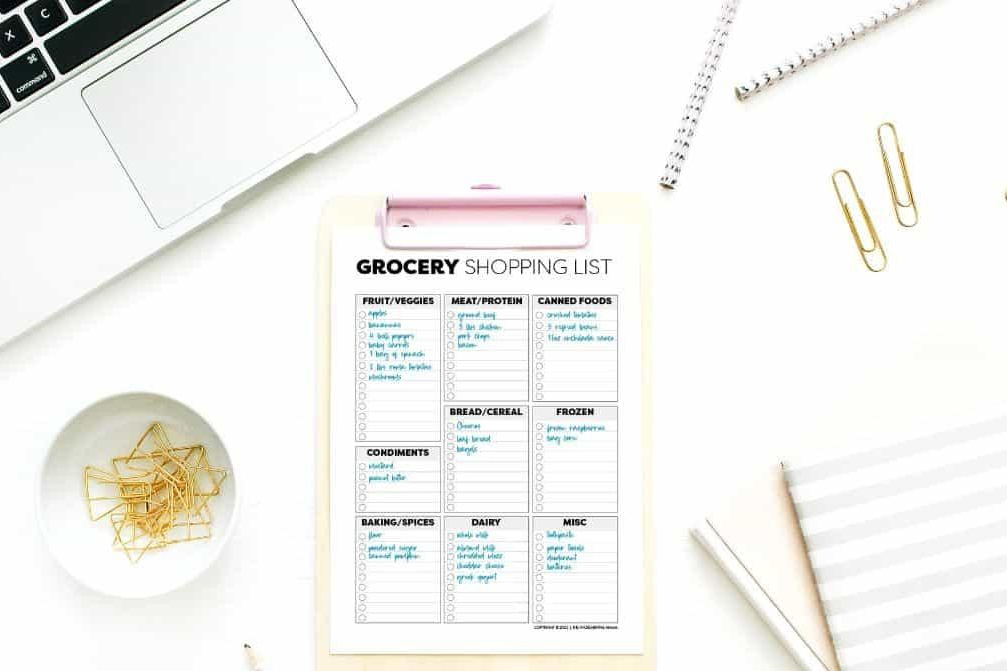
To make things even easier, use a printable grocery list. Keep it on the fridge so anyone in the family can add items as they run out. It saves time, reduces forgotten items, and turns grocery shopping into a smoother, more intentional routine.
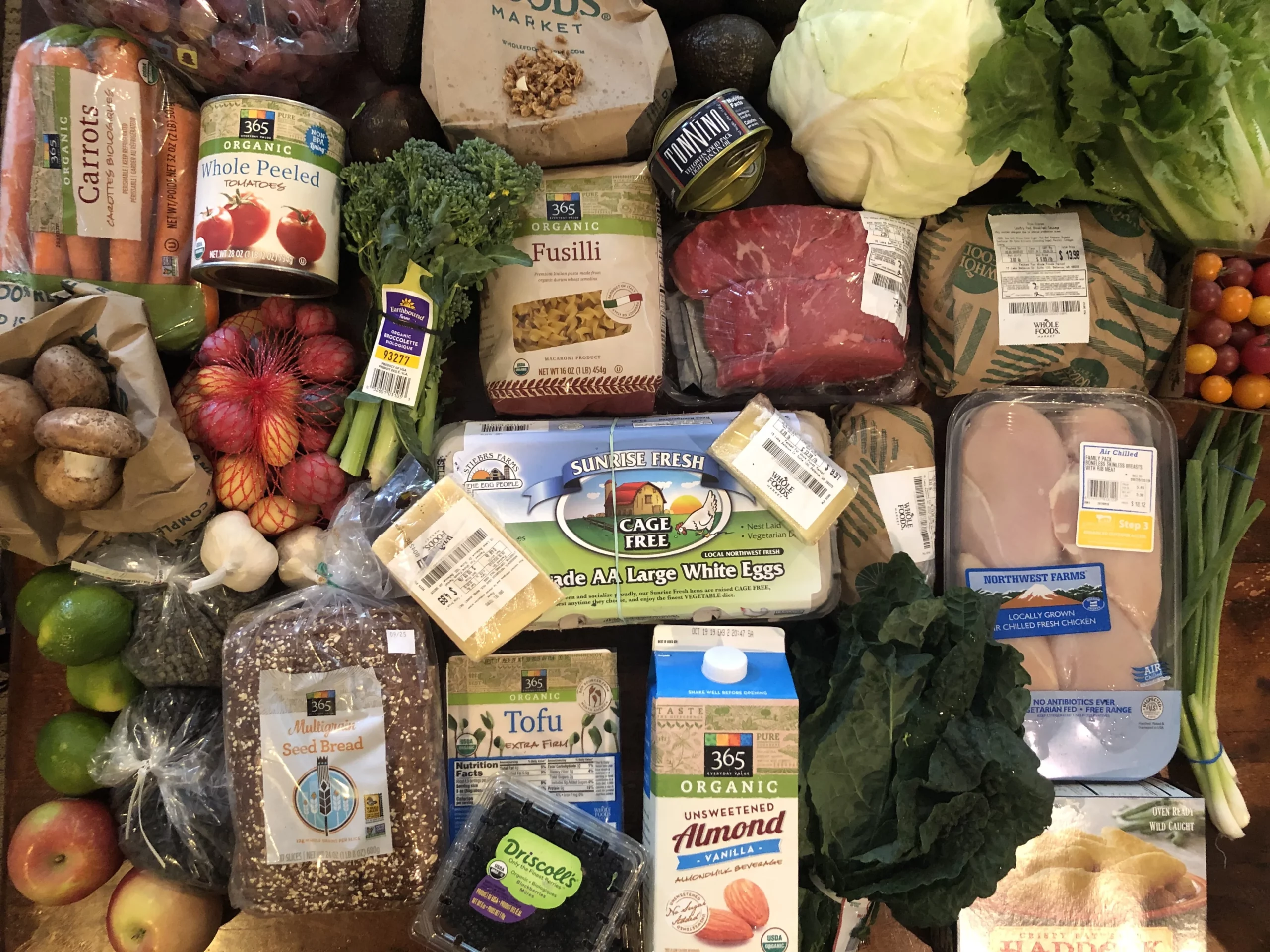
Creating a grocery list by category makes shopping faster and more efficient. Here’s a simple and budget-friendly breakdown:
| Category | Budget-Friendly Items |
Estimated Cost |
|---|---|---|
| Proteins | Eggs, chicken, canned beans, peanut butter | $15–$20 |
| Fruits & Vegetables | Bananas, apples, carrots, potatoes | $10–$15 |
| Pantry Staples | Rice, pasta, oats, canned tomatoes | $10–$15 |
| Dairy | Milk, cheese, yogurt | $8–$12 |
| Snacks | Popcorn, crackers, seasonal fruits | $5–$10 |
Expert Money-Saving Tips for Families
Saving money at the grocery store comes down to a few simple habits.
Start with seasonal produce. Fruits and vegetables that are in season usually cost less and taste better. It is an easy win for both your budget and your meals.
Next, take advantage of store apps and loyalty programs. Those small discounts and reward points add up faster than you think. Coupons might feel old-school, but they still work.
Portion control matters more than most people realize. Buying too much often leads to waste, and wasted food is wasted money. Plan meals based on what your family actually eats, not what looks good in the store.
Leftovers are another opportunity. A roasted chicken one night can turn into tacos, soup, or a salad the next day. Using ingredients more than once keeps meals interesting and stretches your budget further.
This budget grocery list for families works even better when combined with smart meal planning, helping you save time and money every week.
Mastering Meal Planning on a Budget

Meal planning does not have to be complicated. Once you get into the rhythm, it becomes one of the easiest ways to save money and reduce stress.
Start with a simple weekly plan. Focus on meals your family already enjoys and look for recipes that use overlapping ingredients. This cuts down on unnecessary purchases and keeps your fridge from filling up with unused items.
Balance is key. You want meals that are filling, nutritious, and affordable. Lean on your grocery list categories to make sure you are covering all your bases without overspending.
And do not forget to stay flexible. If you spot a great deal at the store, adjust your plan. A sale on pasta might mean swapping in a spaghetti night. Small changes like that keep things fresh while helping your budget.
Free Printable Grocery List for Families (Download PDF)
To make things even easier, use this budget grocery list printable to plan your weekly shopping.
👉 Download your free printable grocery list (PDF) below and take it with you to the store.
✔ Organized by category
✔ Easy to follow
✔ Perfect for busy families
💡 Smart Tips to Stick to Your Grocery Budget
Saving money on groceries doesn’t have to be complicated. These simple tips can make a big difference:
- Plan your meals before shopping
- Stick to your grocery list
- Avoid shopping when hungry
- Buy in bulk when items are on sale
- Use coupons and store apps
Small changes add up over time and help you stay consistent with your budget.
Final Thoughts
A well-planned budget grocery list for family shopping can completely change the way you manage your food expenses. With the right strategy and tools, you can save money, reduce stress, and still enjoy healthy meals every week.
Don’t forget to grab your free printable grocery list and start saving today!
Frequently Asked Questions About Budget Grocery Lists for Families
You can save money on groceries by planning meals ahead, sticking to a budget grocery list, buying store brands, and avoiding impulse purchases. Using a printable grocery list also helps families stay organized and reduce overspending.
A budget grocery list for a family includes affordable essentials like proteins, fruits, vegetables, pantry staples, and snacks. It helps families shop efficiently while staying within their weekly grocery budget.
The average grocery budget for a family can range from $75 to $150 per week, depending on family size and location. Planning meals and using a grocery list can help keep costs under control.
Yes, a printable grocery list helps you stay organized, avoid unnecessary purchases, and stick to your budget. It’s a simple tool that makes grocery shopping faster and more efficient.
Some of the cheapest foods for families include rice, pasta, beans, eggs, potatoes, oats, and seasonal fruits and vegetables. These items are affordable and can be used in many meals.
For even more ways to stay on budget, read my full guide on saving money on groceries and start reducing your grocery bill today.

Hi, I’m Monica, creator of NicaFitness. I’m passionate about helping busy moms stay active and healthy through simple fitness tips, quick workouts, and nutritious meal ideas. My mission is to make healthy living realistic and achievable for busy lifestyles.
Best Budget Grocery List For Family is a lifesaver for many families struggling from all the tarriffs and high gas prices right now, also the free print out is a bonsus.
The grocery budget list print out is a good addtion to this article, I find it difficult for me to come up with the right grocery list budget. This will help me budiget my grocery shopping trips much better, even as a single person I am spending way more than I can afford today.
Your grocery shopping budget tips are very helpful for me as well, I am going to share your website and this article with my followers on Facebook.
Jeff
Thank you, Jeff! I completely understand, grocery costs have gone up so much, and it can be tough to stay on budget. I’m really glad the printable and tips are helping you plan better. I appreciate you sharing the article too!
Hi Monica, thanks for this resource! I’ve been looking for a way to streamline my shopping trips, and your categorized printable is exactly what I needed. I had a quick question: In your experience, is it better to buy staples like rice and beans in bulk to save long-term, or does that usually throw off the weekly budget too much for most families?
I’d love to hear your take on balancing bulk-buying with a strict weekly limit. Thanks again!
Hi! I’m so glad the printable is helpful that’s exactly what I created it for. Great question! In my experience, buying staples like rice and beans in bulk can definitely save money in the long run, but it works best if you plan for it. One simple approach is to buy one bulk item per week instead of everything at once. That way, you’re still building up your pantry without going over your weekly budget. I also recommend focusing on items you know your family will use regularly, so nothing goes to waste.
Balancing bulk buying with a weekly budget is really about timing and planning and once you get into the habit, it becomes much easier!
Thanks so much for your thoughtful question!
Thank you for sharing this helpful article about creating a budget-friendly grocery list for families. I liked how the article focused on practical ways to save money while still providing nutritious and balanced meals. With grocery prices continuing to rise, this topic is very important for many households trying to manage their budgets more effectively.
I do have a few questions after reading the article. What are the best strategies for families to stick to a grocery budget without sacrificing healthy food choices? Also, how can larger families reduce food waste while still buying enough groceries for everyone throughout the week?
Another question I had is whether meal planning or buying in bulk tends to save more money in the long run. Do you think using store brands and discount products makes a significant difference in overall grocery expenses for families?
Overall, the article offers useful tips and realistic advice for families looking to save money, stay organized, and make smarter grocery shopping decisions. Thank you again for sharing these practical budgeting ideas and recommendations.
Hello IYERE,
Meal planning and sticking to a list are usually the best ways to stay on budget. For larger families, focusing on portion planning and reusing ingredients helps reduce food waste.
Bulk buying can save money on staples, but meal planning often saves more overall since it helps avoid unused food. And yes, store brands and discount items can definitely lower your grocery costs over time.
Thanks for reading and for your thoughtful comment!
Great post with lots of practical advice for families trying to cut grocery costs without sacrificing healthy meals. I really liked the focus on meal planning and using pantry staples to stretch the budget further. I have always kept a grocery list on the fridge it sure helps to prevent forgotten items and unnecessary trips to the store. The reminder about leftovers was excellent too because that’s one of the easiest ways to reduce food waste and save money at the same time
Thanks so much for your kind comment! I’m glad you found the grocery tips helpful. Meal planning, grocery lists, and using leftovers really can make shopping easier and save money. Thanks again for reading and sharing your thoughts!
Hi Monica, Grocery shopping has become brutal lately, especially for families, so having a simple system like this actually helps. I liked the point about reusing leftovers for different meals because that’s probably where a lot of people waste money without noticing it. Keeping a printable list on the fridge is smart too since random “quick trips” to the store usually end up costing more than planned. Your advice to buy one bulk item at a time also makes more sense than trying to stock up on everything in a single week.
Regards,
BRoman
Hi Bob,
Thank you for your thoughtful comment. I’m glad you found the tips helpful, and I agree that quick grocery trips can really add up fast!
Monica