
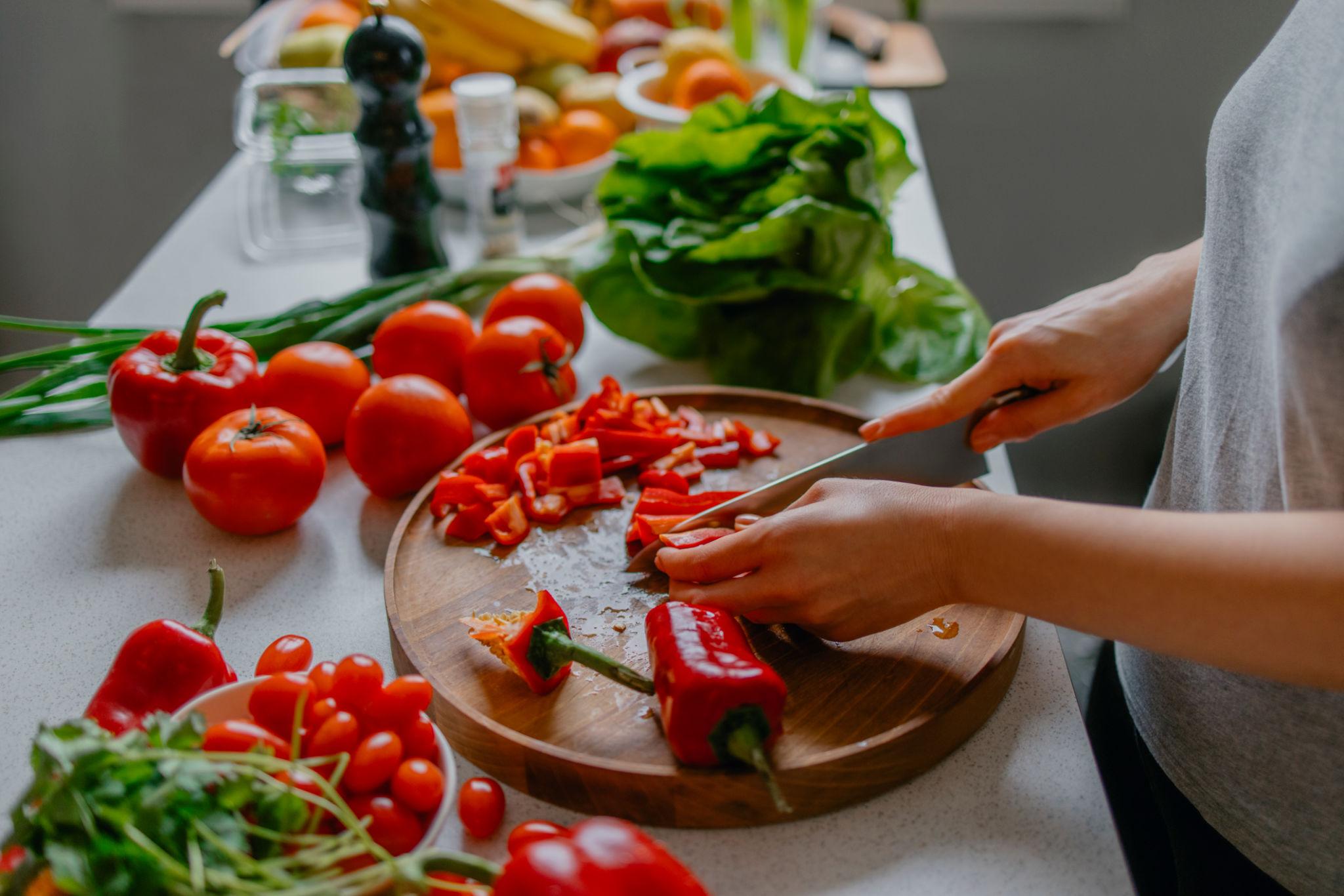
Eating more vegetables doesn’t have to feel complicated, expensive, or time-consuming. With a few simple habits, you can add extra nutrition, flavor, and variety to your meals without spending hours cooking every day.
Whether your goal is to boost energy, support weight loss, improve digestion, or simply eat healthier, learning how to eat more vegetables is one of the easiest ways to improve your overall diet.
The best part is that small changes really do add up over time. You don’t need a perfect meal plan or a fully stocked organic kitchen to make progress. Adding one extra serving of vegetables each day can make a noticeable difference in how you feel.
Table of Contents
- Why Vegetables Matter for Your Health
- Easy Ways to Add More Vegetables to Breakfast
- Smart Ways to Add Vegetables to Lunch
- How to Make Dinner More Nutritious With Vegetables
- Best Cooking Methods for Better Flavor
- Sneaky Ways to Eat More Vegetables
- Frozen Vegetables Are a Smart Choice
- How to Make Vegetables a Daily Habit
- Simple Kitchen Tools That Save Time
- Best Affiliate Products for Eating More Vegetables
- Frequently Asked Questions
- Final Thoughts
Why Vegetables Matter for Your Health
Vegetables are packed with nutrients your body needs daily. They support nearly every system in your body while helping you stay full and energized.
Here’s why vegetables deserve a bigger spot on your plate:
- Fiber helps digestion and keeps you fuller longer
- Vitamins and minerals support immunity, energy, and overall wellness
- Antioxidants help protect your cells from damage
- Vegetables add volume to meals without adding excessive calories
- Natural color and texture make meals more satisfying and enjoyable
Many vegetables are also naturally hydrating and rich in nutrients that support heart health, gut health, and healthy weight management.
If you struggle with constant snacking or cravings, adding more vegetables to meals may help you feel satisfied longer throughout the day.
If you’re working on healthier daily eating habits, check out my Healthy Fitness Snacks guide for easy snack ideas between meals.
Easy Ways to Add More Vegetables to Breakfast
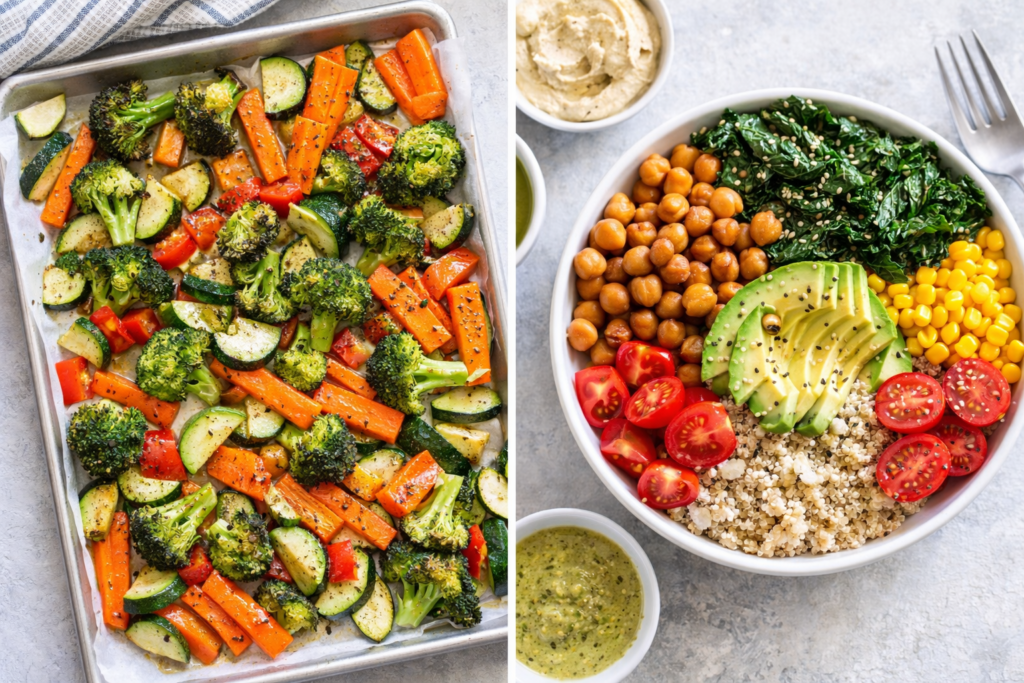
Breakfast is one of the most overlooked opportunities to eat more vegetables. Most people think of vegetables as lunch or dinner foods, but adding them to breakfast is surprisingly simple.
You don’t need fancy recipes either. Small additions work great.
Quick Breakfast Vegetable Ideas
- Add spinach or kale to smoothies
- Mix mushrooms, onions, or peppers into scrambled eggs
- Top avocado toast with sliced tomatoes
- Stir shredded zucchini into oatmeal
- Add spinach to breakfast sandwiches
- Blend cauliflower into breakfast bowls
- Add diced vegetables to egg muffins for meal prep
Smoothies are especially helpful for busy mornings because vegetables blend easily with fruit, yogurt, and protein powder.
A handful of spinach in a smoothie usually becomes almost unnoticeable in flavor while adding nutrients and fiber.
Make Breakfast Prep Easier
If mornings feel difficult, prep vegetables ahead of time.
Try this:
- Chop peppers and onions once for the week
- Store smoothie ingredients in freezer bags
- Make egg muffins in batches
- Wash greens ahead of time
Simple prep can save valuable time during busy weekdays.
For more meal planning strategies, read Fitness Meal Planning for Busy Moms.
Smart Ways to Add Vegetables to Lunch
Lunch is another easy opportunity to increase vegetable intake without changing your entire routine.
Instead of completely rebuilding your meals, start by adding vegetables to foods you already enjoy.
Easy Lunch Upgrades
- Add lettuce, tomatoes, cucumbers, or peppers to sandwiches
- Use mixed greens as the base for rice or protein bowls
- Add roasted vegetables to wraps or quesadillas
- Pair meals with vegetable soup
- Swap chips for sliced cucumbers or carrots
- Add spinach to pasta dishes
- Toss extra vegetables into salads you already make
Even adding one extra vegetable serving to lunch each day can improve your nutrition significantly over time.
Keep Ready-to-Eat Vegetables Available
Convenience matters.
If healthy foods require too much effort, most people skip them during busy workdays. Keep easy vegetables ready in your fridge:
- Baby carrots
- Celery sticks
- Snap peas
- Bell pepper slices
- Cherry tomatoes
- Cucumbers
Prepped vegetables make healthy choices easier when time is limited.
Need more structure for weekly meals? Visit Fitness Meal Planning for Busy Moms for practical planning ideas.
How to Make Dinner More Nutritious With Vegetables
Dinner is often the easiest meal for increasing vegetables because there are so many cooking options.
A simple approach is to build your plate around vegetables first.
Try This Balanced Plate Method
- Half your plate vegetables
- One quarter lean protein
- One quarter healthy carbohydrate
This method keeps meals balanced without needing complicated calorie tracking.
Healthy Vegetable Side Ideas for Dinner
- Roasted broccoli
- Garlic green beans
- Stir-fried mixed vegetables
- Grilled zucchini
- Cauliflower rice
- Side salads
- Roasted Brussels sprouts
- Baked sweet potatoes
- Sautéed spinach
- Roasted carrots
Roasting vegetables is one of the easiest ways to improve flavor. A little olive oil, seasoning, and high heat can completely change the texture and taste.
Pair healthy eating with movement using my 10-Minute Home Workout for Busy Moms routine.
Best Cooking Methods for Better Flavor
A lot of people think they dislike vegetables when they’ve really just had vegetables cooked poorly.
Overcooked, bland vegetables can taste boring fast. Better cooking methods make a huge difference.
Try These Cooking Methods Instead
Roasting
Roasting brings out natural sweetness and creates crispy edges.
Great vegetables for roasting:
- Broccoli
- Carrots
- Cauliflower
- Brussels sprouts
- Sweet potatoes
Air Frying
Air fryers create crisp texture quickly with very little oil.
Perfect for:
- Zucchini
- Green beans
- Cauliflower
- Carrot fries
Sautéing
Cooking vegetables with garlic, herbs, or olive oil adds flavor fast.
Great choices include:
- Spinach
- Mushrooms
- Peppers
- Onions
Grilling
Grilling adds smoky flavor and works well during warmer months.
Try grilling:
- Zucchini
- Corn
- Asparagus
- Bell peppers
Light Steaming
Steaming works best when vegetables stay slightly firm instead of mushy.
Add seasoning afterward to improve flavor.
Sneaky Ways to Eat More Vegetables
Not everyone loves vegetables right away. That’s completely normal.
Sneaking vegetables into meals can help picky eaters, kids, or busy families increase nutrition without major food battles.
Easy Hidden Vegetable Ideas
- Blend spinach into smoothies
- Add grated carrots to pasta sauce
- Mix cauliflower into mashed potatoes
- Add zucchini to muffins or breads
- Blend vegetables into soups
- Add mushrooms to ground meat dishes
- Stir spinach into pasta sauces
- Add shredded vegetables to casseroles
These small additions increase fiber and nutrients while keeping meals familiar and family-friendly.
Need healthy snack support too? Explore Healthy Fitness Snacks.
Frozen Vegetables Are a Smart Choice
Fresh vegetables are great, but frozen vegetables are often more practical for busy schedules.
They’re affordable, convenient, and usually frozen at peak freshness.
Benefits of Frozen Vegetables
- Longer shelf life
- Less food waste
- Quick cooking
- Budget-friendly
- Easy portion control
- Available year-round
Frozen vegetables can save time on busy nights when cooking from scratch feels overwhelming.
Some of the best frozen vegetable options include:
- Broccoli
- Mixed vegetables
- Cauliflower rice
- Spinach
- Green beans
- Stir-fry blends
Keep a few bags in the freezer so healthy sides are always available.
How to Make Vegetables a Daily Habit
Eating more vegetables becomes easier when it turns into a routine instead of a strict rule.
Focus on consistency, not perfection.
1. Keep Vegetables Visible
Store washed vegetables at eye level in the fridge so they’re easy to grab.
2. Prep Once Per Week
Wash, chop, and portion vegetables ahead of time.
Meal prep reduces decision fatigue during busy days.
3. Add One Serving at a Time
You don’t need to overhaul your entire diet overnight.
Start with one extra serving each day.
4. Try New Recipes Regularly
Variety helps prevent boredom and keeps meals interesting.
Experiment with different seasonings, sauces, and cooking styles.
5. Pair Vegetables With Foods You Already Enjoy
Add vegetables to tacos, pasta, pizza, sandwiches, soups, or rice bowls instead of forcing completely unfamiliar meals.
Simple Kitchen Tools That Save Time
The right kitchen tools can make healthy cooking feel much easier during busy weeks.
This section may contain affiliate links. If you buy through them, I may earn a small commission at no extra cost to you.
Helpful Kitchen Tools for Faster Meals
Vegetable Chopper
Speeds up prep time and reduces effort when cutting vegetables.
Air Fryer
Perfect for quick, crispy meals with minimal cleanup.
Slow Cooker
Great for set-it-and-forget-it meals during busy workdays.
Meal Prep Containers
Makes storing leftovers and planning meals easier throughout the week.
Sheet Pans
Excellent for roasting multiple vegetables at once with easy cleanup.
Best Affiliate Products for Eating More Vegetables
Adding the right kitchen products can make healthy eating much easier, especially on busy days. These popular tools help save time, improve flavor, and simplify meal prep.
Affiliate Disclosure: This section may contain affiliate links. If you purchase through these links, I may earn a small commission at no additional cost to you.
1. Air Fryer
An air fryer makes vegetables crispy and flavorful in less time than traditional ovens.
Best vegetables for air frying:
- Broccoli
- Zucchini
- Cauliflower
- Brussels sprouts
- Sweet potato fries
2. Vegetable Chopper
A vegetable chopper can drastically reduce prep time for busy families.
Perfect for:
- Onions
- Bell peppers
- Cucumbers
- Tomatoes
- Salad prep
Recommended
Top Vegetable Choppers for Easy Meal Prep
3. Meal Prep Containers
Meal prep containers help organize lunches, leftovers, and weekly meal plans.
Benefits include:
- Better portion control
- Easier healthy eating
- Faster weekday meals
- Less food waste
Recommended
Best Meal Prep Containers for Busy Moms
4. High-Speed Blender
Blenders make smoothies, soups, sauces, and hidden vegetable recipes much easier.
Great for:
- Green smoothies
- Cauliflower sauces
- Vegetable soups
- Protein shakes
Recommended Anchor Text:
Best Blenders for Smoothies and Meal Prep
5. Slow Cooker
Slow cookers help create healthy meals with minimal effort.
Perfect for:
- Soups
- Stews
- Chili
- Shredded chicken recipes
- Vegetable-based meals
Recommended
Best Slow Cookers for Easy Healthy Dinners
Frequently Asked Questions
Can vegetables help with weight loss?
Yes. Vegetables are filling, nutrient-dense, and generally lower in calories than many processed foods. They help increase fullness while supporting healthier eating habits.
Are frozen vegetables healthy?
Absolutely. Frozen vegetables are often just as nutritious as fresh vegetables and can be more convenient for busy schedules.
What are the easiest vegetables for beginners?
Some beginner-friendly vegetables include:
- Carrots
- Cucumbers
- Bell peppers
- Broccoli
- Spinach
- Zucchini
- Green beans
These vegetables are versatile, affordable, and easy to prepare.
How many vegetables should I eat daily?
Most adults benefit from several servings of vegetables daily. The exact amount depends on age, activity level, and overall diet, but adding vegetables consistently throughout the day is a great place to start.
Final Thoughts
Learning how to incorporate more vegetables into your meals doesn’t require perfection or complicated recipes. Small, realistic habits tend to last longer than extreme changes.
Start simple. Add vegetables to meals you already enjoy. Keep convenient options available. Focus on consistency instead of trying to change everything overnight.
Over time, these small choices can help improve energy, support healthy weight goals, and make healthy eating feel much easier.
For a more complete healthy lifestyle, combine nutritious meals, smart snacks, meal planning, and simple home workouts that fit your schedule.
Related Posts

Hi, I’m Monica, creator of NicaFitness. I’m passionate about helping busy moms stay active and healthy through simple fitness tips, quick workouts, and nutritious meal ideas. My mission is to make healthy living realistic and achievable for busy lifestyles.
Thank you for these creative and encouraging ideas! As a mom of a grade-schooler who really doesn’t like veggies, I know how big a challenge this can be at dinner time. I’ve found that hiding finely chopped veggies in things like pasta sauce or muffins has been a total game-changer for us; he eats them without even noticing! I’ve also started adding spinach to smoothies with fruit, and that’s become one of his favorite snacks.
The tips about roasting to bring out natural sweetness and experimenting with different preparations reminded me that how you cook veggies matters a lot. We’ve had more success when the texture and flavor are fun rather than just steamed on the side.
Thanks again for the fresh inspiration. It’s nice to know I’m not alone in this battle, and little wins like these really add up!
Thank you so much for sharing this! You’re absolutely right—getting kids to enjoy veggies can feel like a daily challenge. Hiding them in sauces and muffins is such a clever strategy, and spinach in smoothies is a great win too! I love how you pointed out that preparation really matters—making veggies fun and flavorful makes all the difference. You’re definitely not alone, and those little victories truly do add up. ????
Hi Monica,
I really enjoyed this post — it’s practical, encouraging, and it doesn’t make “eat more vegetables” feel like a punishment, which is exactly what people need.
I especially liked the section on simple prep methods (roasting, steaming, grilling) because that’s often where the difference is made. When veg taste good and the texture is right, people stop seeing them as a chore. The “sneaky” ideas for picky eaters were also a great touch — blending greens into meals is often far more effective than trying to force big changes overnight.
I also have a soft spot for smoothies, and I’ve found them to be one of the easiest ways to get a good variety of vegetables in without much effort. A handful of spinach or cucumber disappears completely flavour-wise, and it feels like such a low-friction habit once it becomes routine.
One question I had while reading: for people who are short on time, do you find smoothies are a good long-term solution, or do you prefer encouraging more whole-veg meals alongside them? I’d love to hear how you approach that balance.
Thanks again for sharing such a helpful, realistic guide.
Cherie
Hi Cherie,
Thank you so much for your kind words! I’m so glad you found the tips helpful. I agree smoothies are a great low-effort option for busy days, and I see them as a helpful long-term support alongside whole-veg meals when possible. It’s all about finding a balance that fits real life.
Thanks again for sharing your thoughts!
Monica