
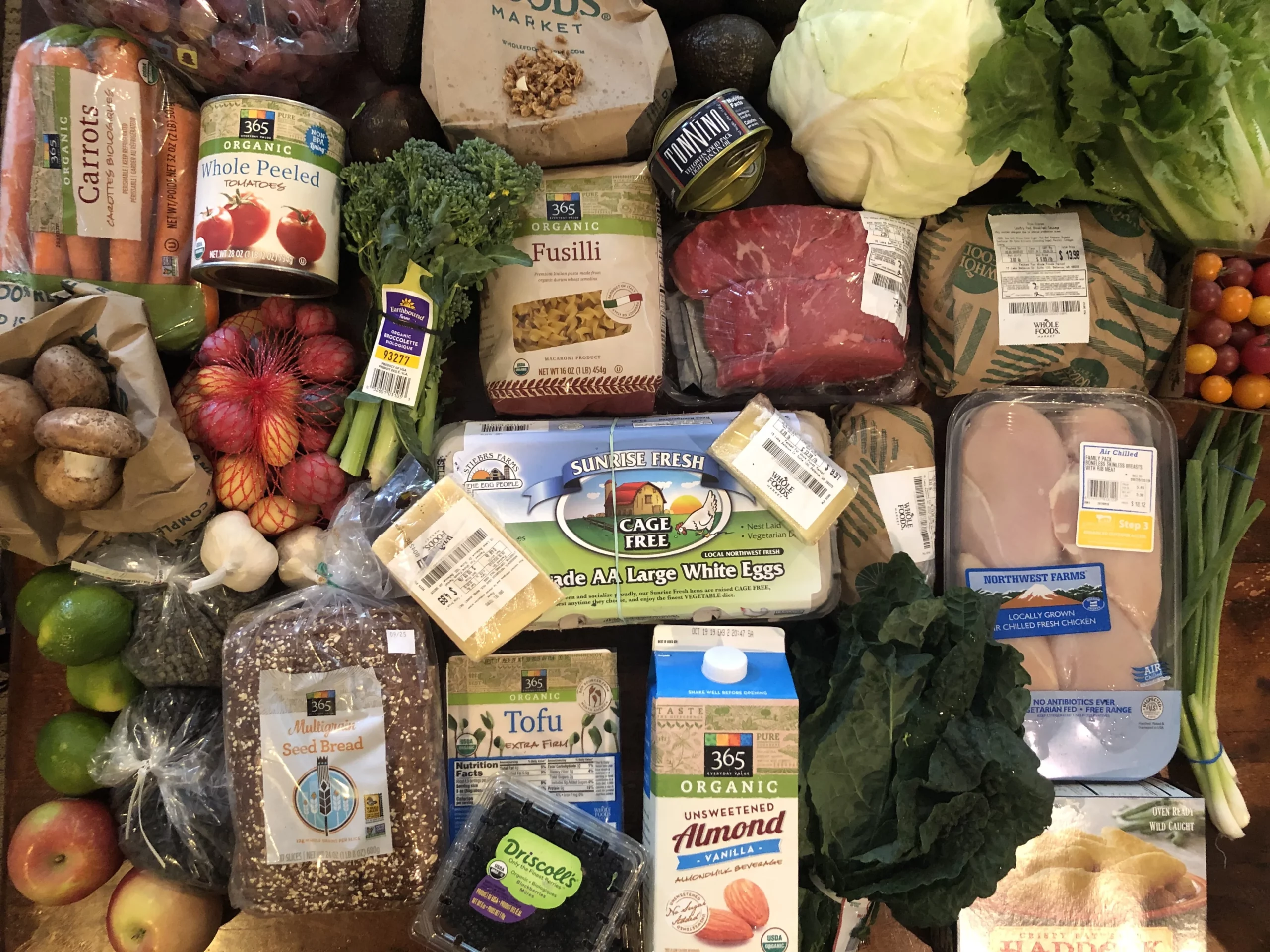
Wondering how to save money on groceries without giving up the meals your family loves? You’re not alone. With food prices rising, many families are searching for simple ways to reduce their grocery bills while still eating healthy meals.
Maybe you’ve had that moment at the checkout line where you look at the total and think, “How did I spend so much on just a few bags of food?” It can be frustrating, especially when you’re trying to stick to a budget.
The good news is that saving money on groceries doesn’t require extreme couponing or eating the same meal every day. With a few smart habits, you can lower your food costs while still enjoying delicious meals at home.
Here are 10 practical ways to save money on groceries every week.
Why Grocery Costs Are Rising
Before looking at solutions, it’s helpful to understand why grocery bills feel higher than ever.
Several factors affect grocery prices, including:
- Inflation and supply chain disruptions
- Increased transportation costs
- Rising food production expenses
- Household food waste
Many families also spend more money because of impulse purchases, frequent shopping trips, or ordering takeout when meal plans fall apart.
The strategies below will help you reduce grocery spending and stay organized.
10 Ways to Save Money on Groceries
1. Plan Your Meals for the Week
Meal planning is one of the most effective ways to save money on groceries.
When you create a weekly meal plan, you know exactly what ingredients you need and avoid buying unnecessary items.
A simple plan includes:
- dinners for the week
- a grocery list based on the meals
- checking your pantry and fridge first
Meal planning reduces food waste and prevents expensive last-minute takeout.
2. Use Store Sales and Weekly Flyers
Grocery store flyers often contain great deals on meat, produce, and pantry staples.
Building your weekly meals around items that are on sale can significantly reduce your grocery bill.
For example:
- buy chicken when it’s discounted
- choose seasonal vegetables
- plan meals around store promotions
Even a 20–25% discount on several items can make a big difference over time.
3. Limit Grocery Shopping Trips
Frequent trips to the store often lead to impulse purchases.
Try shopping once per week with a clear grocery list. This helps you stay focused and prevents unnecessary spending.
Choose a regular grocery day each week so your routine becomes easier to manage.
4. Buy Store Brand Products
Store-brand products are usually much cheaper than name brands but often offer similar quality.
Many grocery stores sell:
- store-brand pasta
- canned vegetables
- cereals
- dairy products
These small savings can add up quickly across your entire grocery cart.
5. Use Frozen Fruits and Vegetables
Frozen produce is often cheaper than fresh and lasts much longer.
In many cases, frozen vegetables are picked and frozen at peak freshness, preserving their nutrients.
Frozen foods are great for:
- soups
- casseroles
- smoothies
- stir-fries
They also reduce food waste because you only use what you need.
6. Try Meatless Meals Once a Week
Meat is often one of the most expensive grocery items.
Adding one or two meatless meals each week can significantly reduce grocery costs.
Some budget-friendly options include:
- vegetable stir fry
- bean tacos
- lentil soup
- quinoa bowls
- stuffed sweet potatoes
These meals are healthy, affordable, and easy to prepare.
7. Avoid the Bulk Buying Trap
Buying in bulk can save money, but only if you actually use the items.
Purchasing large quantities of food that expire before you use them leads to waste.
Before buying bulk items, ask yourself:
- Will my family use this before it expires?
- Do I have enough storage space?
- Can I freeze it?
Avoiding waste is one of the easiest ways to reduce grocery spending.
8. Prep Ingredients in Advance
Meal prep saves both time and money.
Preparing ingredients ahead of time makes it easier to cook at home and avoid ordering takeout.
You can prep items like:
- chopped vegetables
- cooked grains
- salad ingredients
- marinated meats
Even small amounts of preparation can make weeknight dinners much easier.
9. Have a Plan for Leftovers
Leftovers can be turned into new meals and help stretch your grocery budget.
Examples include:
- roasted chicken → chicken tacos
- leftover rice → fried rice
- vegetables → soup or omelets
Keeping leftovers organized in your fridge helps ensure they get used before they spoil.
10. Track Your Grocery Spending
Tracking grocery expenses can help you identify spending habits.
You can use:
- a simple notebook
- a spreadsheet
- a budgeting app
Record grocery purchases and compare them to your monthly budget.
This awareness makes it easier to adjust your habits and reduce unnecessary spending.
Example Budget-Friendly Weekly Meal Plan
Here is a simple example of affordable meals for a week:
Monday: Chicken stir fry with rice
Tuesday: Spaghetti with vegetables
Wednesday: Bean tacos
Thursday: Vegetable fried rice
Friday: Homemade soup
Saturday: Leftovers
Sunday: Roast chicken and vegetables
Planning meals like this helps keep grocery spending under control.
Common Grocery Shopping Mistakes
Avoiding these common mistakes can help you save even more money.
- Shopping without a list
- Buying too many perishable items
- Shopping while hungry
- Wasting leftovers
- Making frequent grocery trips
Small changes in shopping habits can make a big difference in your grocery budget.
Frequently Asked Questions
How can I reduce my grocery bill quickly?
You can lower your grocery bill by meal planning, shopping with a list, buying store brands, and using leftovers to reduce food waste.
What are the cheapest foods to buy?
Affordable foods include rice, beans, pasta, eggs, potatoes, and frozen vegetables. These ingredients are versatile and can be used in many meals.
Does meal planning really save money?
Yes. Meal planning helps families avoid impulse purchases, reduce food waste, and limit expensive takeout meals.
Helpful Tools for Busy Moms
To make preparing healthy lunches easier, consider using helpful tools like meal prep containers, a high-quality blender, or a weekly meal planner. These tools can save time and make healthy eating much more convenient.
Final Thoughts
Saving money on groceries doesn’t require major lifestyle changes. Small habits like planning meals, using store sales, and reducing food waste can lead to significant savings over time.
Start by implementing just a few of these strategies each week. As these habits become routine, you’ll likely notice lower grocery bills, less stress around meals, and more time spent enjoying meals with your family.
Planning meals ahead of time is one of the best ways to save money. Check out our beginner guide to weekly meal planning for more tips.

Hi, I’m Monica, the creator of Nicafitness. I’m passionate about helping people stay active and healthy through simple fitness tips, quick workouts, and nutritious meal ideas. My mission is to make healthy living easy and achievable for everyone, even with a busy lifestyle.
Simple and easy solutions. Always best to plan ahead and be prepared when shopping, avoid spontaneous shopping and not having a list set. I love to look at the ads, I think I am one of a few that enjoy getting them in the mail still. Helps plan ahead and develop a list, that way you can make one big trip and be prepared for a few days or the week. Also helps me when I have bought food for a few days, I can stay away from eating out or finding quick, cheap and unhealthy options. I also, prefer to avoid bulk shopping and keep ingredients that are fresh and use them before I lose interest.
Thank you for your comment, John! Planning ahead and using store ads is a great way to stay organized and save money. I also agree that having groceries ready helps avoid eating out and making unhealthy quick choices. Appreciate you sharing your tips!