
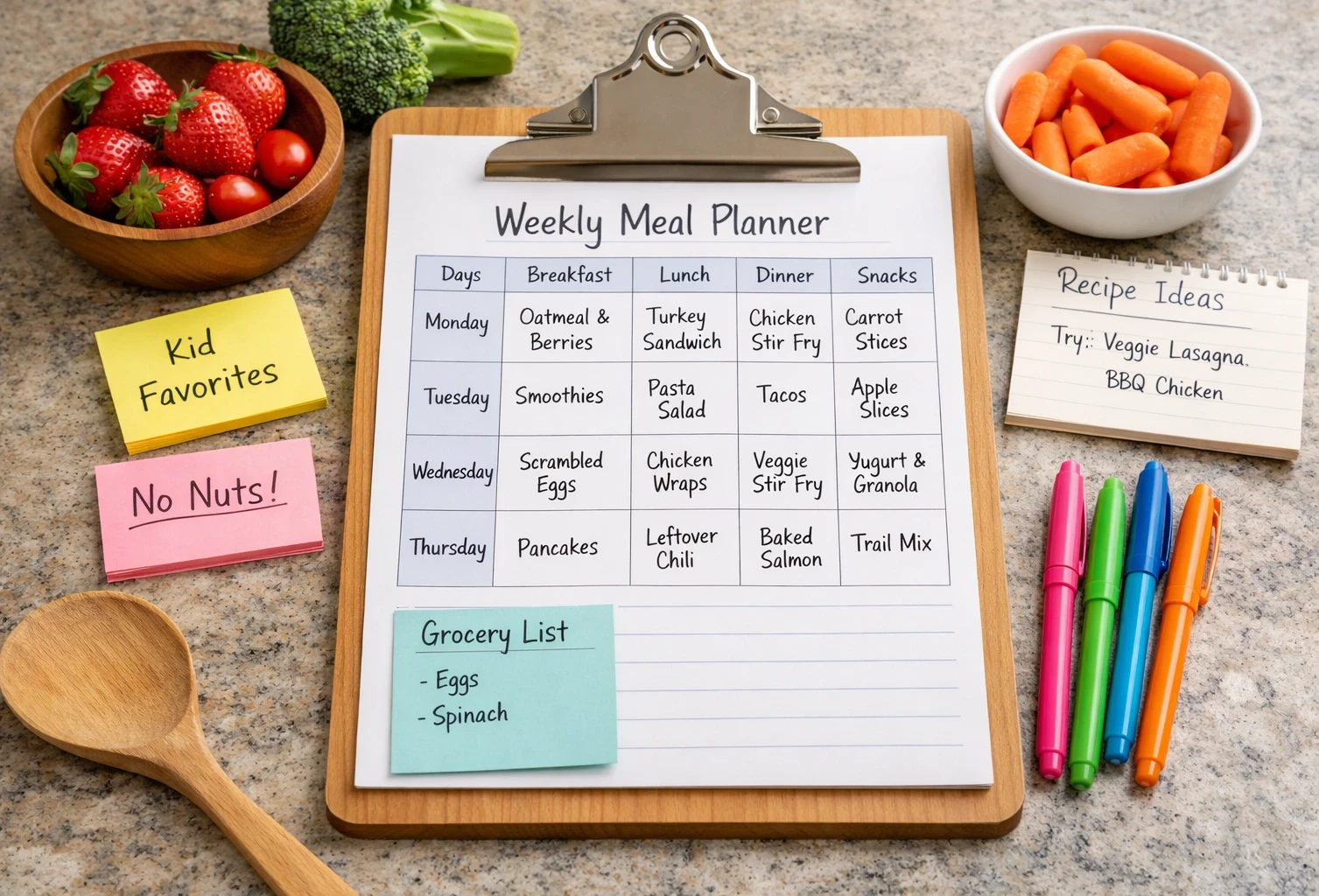
Sorting out a family’s nutritional needs can feel like juggling a few too many balls, especially when everyone has their quirks and preferences. First things first, it’s all about knowing what everyone truly needs. Maybe your partner’s got a knack for spicy food, but your little one needs something milder packed with extra nutrients. Or perhaps someone’s dealing with allergies or dietary restrictions. Knowing this is key to cooking up the right meal plan.
Balancing nutrition across different age groups is crucial. Kids often need more protein and calcium as they’re growing, while adults may focus more on balanced servings of fiber, protein, and healthy fats. Embracing these age-related needs doesn’t mean cooking separate meals, though. It’s about finding those sweet spots where meals meet different needs—think roasted veggies with a side of lean protein that everyone enjoys.
Then, of course, every family has its culinary loves. Maybe it’s Taco Tuesday or your partner’s favorite pasta. These trusted favorites don’t have to go anywhere. Instead, they can be tweaked. Adding a handful of greens or swapping in whole grain pasta can be simple ways to keep family favorites but with a nutritious twist.
Taking the time to really map out these details sets a solid foundation for your meal planning journey. With this info, you can customize plans to truly work for your crew, ensuring healthy meals that everyone can look forward to.
Selecting and Designing Your Meal Planning Templates
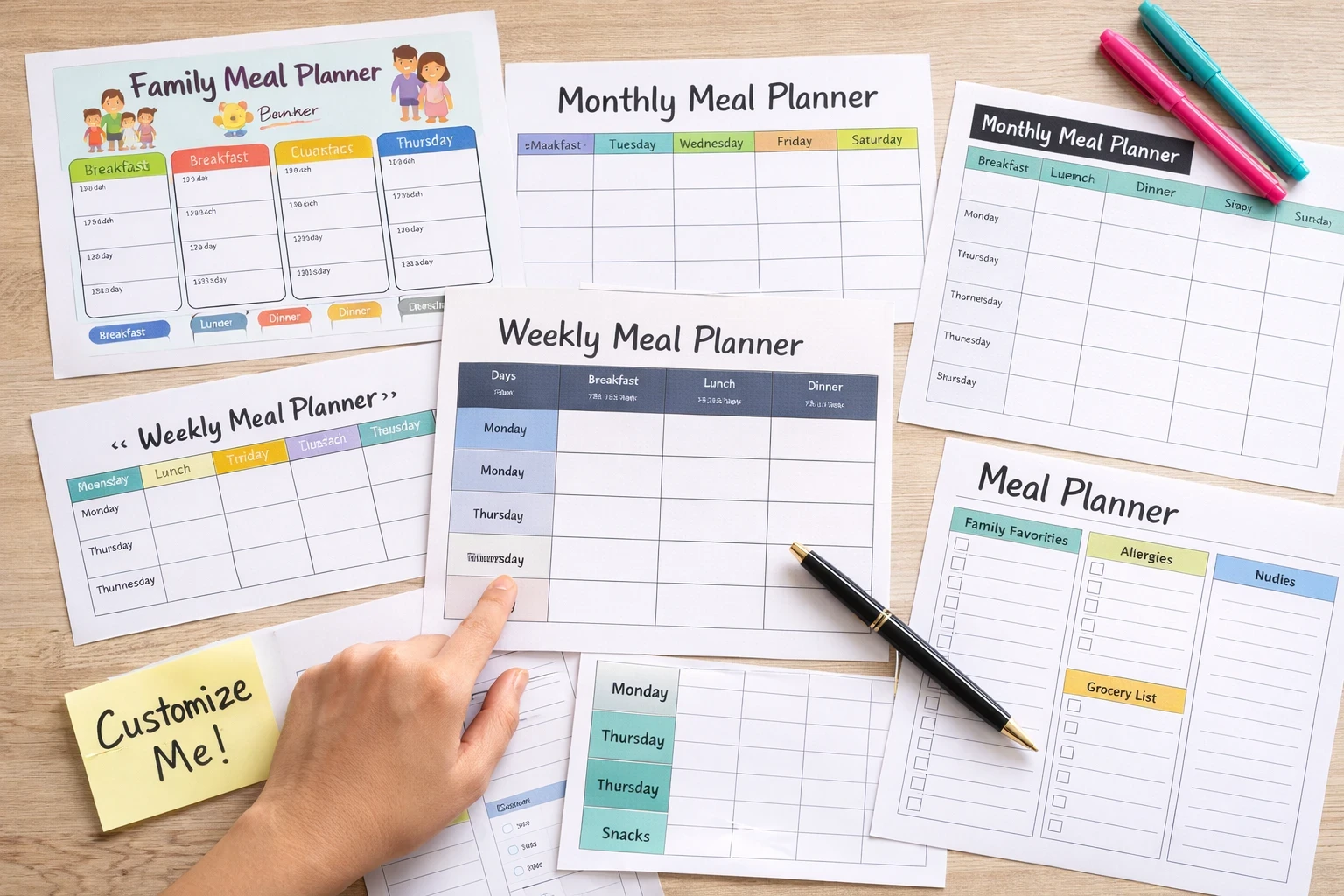
Picking the right template for meal planning sounds easy, but with so many options, it’s all about finding what clicks with your family. Begin by asking what layout works best for everyone. Do you need a weekly view or does a monthly display make it easier to track meals and plan grocery shopping? Some folks find that a laid-back approach with just a few days at a time fits better with a dynamic lifestyle.
Seasonal and local ingredients add flavor, nutrition, and maybe even a cost-saving edge. Designing your meal plan around what’s fresh and abundant can turn ordinary meals into something a bit more exciting. Incorporating this at the planning stage encourages trying new recipes and getting those creative juices flowing.
Consider customizing your templates with additional features like a quick note section for nutritional info or meal variations. Whether it’s jotting down a new ingredient to try or highlighting a recipe that went over well, these little additions make the plan yours. It’s also a good spot to remind yourself of any special dietary needs that could shift from week to week.
Finding or creating that perfect template involves aligning it with your family’s style and daily life. Personal touches and practical add-ons mean a meal plan that feels more like a helpful tool than a rigid schedule, making meal prep something to look forward to.
Integrating Meal Planning into Your Family’s Routine
When it comes to making meal planning a regular part of the family routine, the goal is to keep things realistic and stress-free. It’s tempting to plan elaborate meals every night, but starting simple with achievable goals can make everything more manageable and fun. Maybe kick off with a couple of solid weekday dinners before expanding your repertoire and getting ambitious.
Getting everyone involved in the meal prep process can be a game changer. Kids might surprise you with their enthusiasm to toss salad or mix pancake batter, while older kids can even take on a dish all by themselves. Sharing meal choices can make mealtime more exciting and encourage picky eaters to try something new when they’ve had a say in the menu.
Life is unpredictable, and your meal plan should be able to roll with the punches. A busy day at work or school might mean bumping a more involved recipe to another night or swapping in a ready-made meal in a pinch. It’s all about making the plan work for you, not the other way around. Flexibility is key to ensuring that the plan smoothly fits into daily life without added pressure.
Once the routine of meal planning finds its groove, you’ll notice it not only saves time but also brings a bit more joy to the daily question of “What’s for dinner?” By rolling with life’s surprises and keeping the planning inclusive and adaptable, mealtime can become a regular highlight of the day.
Tracking and Adjusting Your Meal Planning Efforts
Establishing a meal plan is just the start. Keeping track of how it’s working is where the real insights come in. Take note of which meals get rave reviews and which ones need a little tweaking. Encouraging open feedback from family members can lead to delicious discoveries and boost everyone’s investment in sticking to the plan.
Getting into the habit of monitoring wellness linked to the meal plan can reveal important trends. Maybe a breakfast smoothie gives everyone an energy boost or a specific dinner turns into a family favorite that’s healthier, too. It’s all about seeing how these meals make everyone feel and adjusting as necessary.
Backing changes with some simple data can be surprisingly enlightening. Keep an eye on components like portion sizes, variety, and nutritional value. If something’s not working, don’t hesitate to swap it out for a new recipe or tweak ingredients for a better fit. It’s an ongoing process, but these changes can lead to lasting, positive shifts in family eating habits.
After some time, with consistent tracking and adjusting, you start seeing a sustainable plan unfolding. One that not only adapts over time but grows alongside your family’s changing needs and preferences. Meal planning then evolves into a tool for long-term wellness, making mealtime rewarding and enjoyable every day.
I agree with this plan wholeheartedly. It would be nice if we all started taking control of what our families are eating. Personally, I’m all for taking some of these chemicals and processed ingredients out of our food. For us to become a healthier nation, its gonna have to start within our own homes
Absolutely agree. Change really does start at home, and being more intentional about what we feed our families is such an important first step. Small choices add up to a big impact over time.
As a stay-at-home mom juggling kids, chores, and everything life throws at us, having a customized meal planning printable has been a game-changer. It’s made it so much easier to balance nutrition, note everyone’s preferences (and picky days), and even plan around seasonal produce to keep things interesting.
I love that you encourage adding personal touches like notes for dietary needs and favorite meals. That’s exactly what makes our weekly plan feel useful instead of just another checklist. It’s also helped our grocery shopping stay organized and less stressful, which is huge when you’re trying to keep everyone fed without last-minute takeout!
Have you found that involving their kids in choosing meals, even just one night a week, helps make planning and eating more enjoyable?
Hi Alexa!
I’m so glad to hear the meal planning printables are helping you stay organized and reduce stress. That’s exactly why I love creating them! Adding personal touches really does make a difference, and it’s amazing how a little customization can turn a simple plan into something the whole family actually looks forward to.
Yes! Involving kids, even just once a week, can make a huge difference. It gives them a sense of ownership, encourages them to try new foods, and can even make mealtime more fun for everyone. Thanks so much for sharing your experience!